

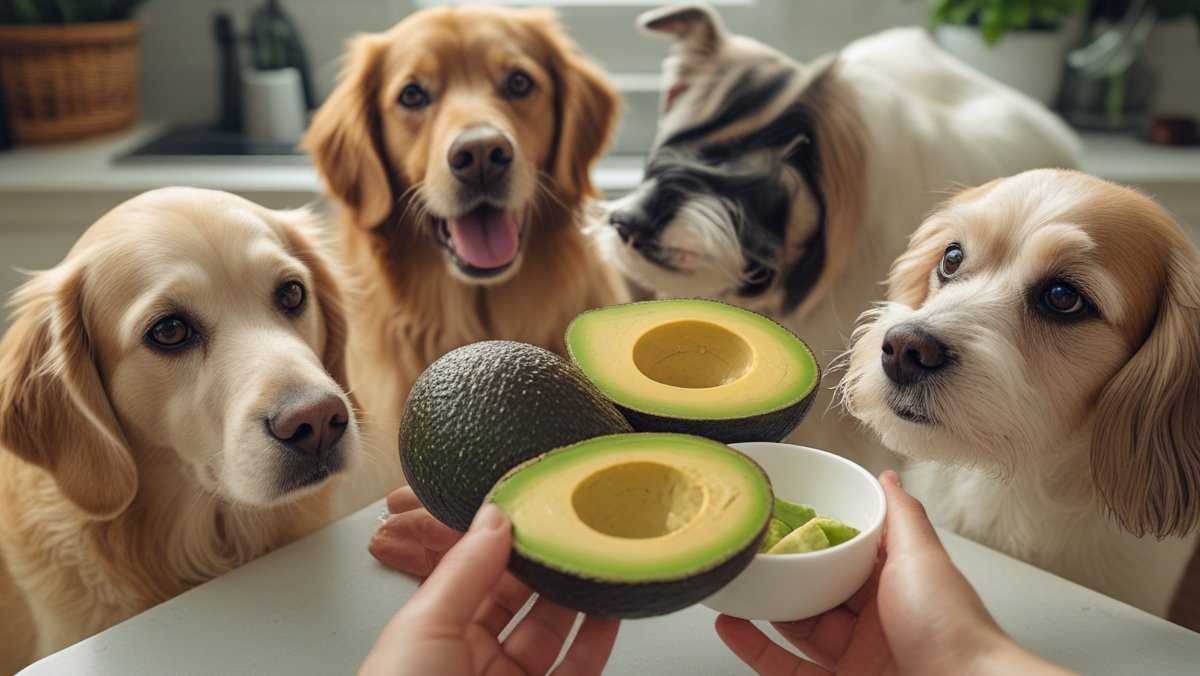
Can dogs eat avocado? MODERATE, dogs can eat with caution] the flesh of an avocado in small amounts. Avocado is not entirely safe for dogs because it contains a substance called (persin). However, the highest concentrations of this toxin are in the pit, skin, and leaves of the avocado, with lower levels in the flesh.
🟡 Can dogs eat avocado? MODERATE
Key Points:
- Safety Status: Moderate – The flesh is generally safe in small amounts, but the pit, skin, and leaves contain a toxin called persin.
- Best Format: Small amounts of fresh, ripe avocado flesh.
- Serving Size: No more than one teaspoon per 10 pounds of your dog’s weight.
- Frequency: Should only be given as an occasional treat.
- Main Benefit: Provides healthy fats, vitamins, and minerals.
- Main Risk: The pit is a choking hazard and can cause intestinal blockages. The high fat content can lead to (pancreatitis).
Table of Contents
Quick Answer Summary
Nutritional Benefits of Avocado for Dogs
Potential Risks and Safety Concerns
Safe Serving Methods and Portion Guidelines
Different Formats: What’s Safe vs Dangerous
Signs of Adverse Reactions
Veterinary Recommendations
Alternative Safe Treats
Bottom Line
Nutritional Benefits of Avocado for Dogs
Avocado offers several health advantages when it becomes part of their occasional treat routine:
Primary Nutritional Benefits:
- Vitamins: Avocados contain vitamins A, B6, C, and E, which support vision, immune function, and skin health.
- Healthy Fats: The monounsaturated fats in avocados can contribute to a (healthy skin and coat).
- Minerals: They are a good source of potassium, which is important for muscle development.
- Fiber: The fiber in avocados can aid in digestion.
Caloric Information:
Avocados are high in calories and fat, so they should be given in moderation to avoid weight gain. It is best to consult with your veterinarian about the appropriate amount for your dog’s specific dietary needs.
Potential Risks and Safety Concerns
While the answer to “Can dogs eat avocado?” is not a simple yes or no, there are important considerations:
⚠️ Primary Concerns:
Persin Toxicity:
All parts of the avocado plant, including the fruit, pit, leaves, and stem, contain a fungicidal toxin called persin. While dogs are more resistant to persin than other animals, large amounts can still cause (vomiting and diarrhea). The concentration of persin is highest in the leaves, skin, and pit.
Choking Hazard and Intestinal Blockage:
The large, hard pit of an avocado poses a significant choking hazard. If swallowed, it can also cause a dangerous (blockage in the esophagus, stomach, or intestines), which may require emergency surgery to resolve.
Pancreatitis:
Avocados have a high fat content, which can trigger pancreatitis in some dogs. This is a serious and painful inflammation of the pancreas that can be life-threatening. Dogs with a history of pancreatitis or a sensitive stomach are at a higher risk.
Safe Serving Methods and Portion Guidelines
When considering offering your dog avocado, proper preparation and portioning are crucial:
Preparation Methods:
- Remove the Pit and Skin: Always remove the large central pit and the outer skin before offering any avocado to your dog.
- Offer Only the Flesh: Only the green, fleshy part of the avocado should be given to your dog.
- Serve it Plain: Do not give your dog guacamole or any avocado that has been prepared with onions, garlic, salt, or other seasonings, as these can be toxic to dogs.
- Cut into Small Pieces: To prevent choking, cut the avocado flesh into small, manageable pieces.
Serving Size Guidelines:
| Pet Size | Serving Amount | Frequency |
|---|---|---|
| Small (under 10 lbs) | Up to 1 teaspoon | Occasionally |
| Medium (10-30 lbs) | 1-3 teaspoons | Occasionally |
| Large (over 30 lbs) | Up to 1 tablespoon | Occasionally |
Different Formats: What’s Safe vs. Dangerous
Understanding the safety of avocado across different preparations is key:
✅ SAFE FORMATS:
- Small amounts of fresh, ripe avocado flesh (pit and skin removed)
❌ AVOID THESE FORMATS:
- Avocado Pit: Choking hazard and can cause intestinal blockage; also contains higher levels of persin.
- Avocado Skin and Leaves: Contain the highest concentrations of persin.
- Guacamole: Often contains ingredients like onions, garlic, and salt, which are (toxic to dogs).
🟡 MODERATE CAUTION:
- Avocado Oil: While it does not contain persin, it is very high in fat and should be given in very small amounts, if at all.
Signs of Adverse Reactions
Monitor your dog after introducing avocado as a new treat:
Immediate Signs (within 24 hours):
- Vomiting
- Diarrhea
- Decreased appetite
- Lethargy
- Abdominal pain
Allergic Reaction Symptoms:
- Itching and skin irritation
- Swelling of the face or paws
- Difficulty breathing
If you notice any severe symptoms, such as difficulty breathing or persistent vomiting, contact your veterinarian immediately.
What to Do:
- Stop feeding your dog avocado immediately.
- If your dog has ingested the pit or a large amount of skin, contact your veterinarian right away.
- For mild stomach upset, provide plenty of fresh water and monitor your dog closely.
- If symptoms persist or worsen, seek veterinary care.
Veterinary Recommendations
Professional guidance on feeding dogs avocado:
According to Dr. Ahna Brutlag, a board-certified veterinary toxicologist, “avocado does not appear to be highly toxic to dogs and cats.” However, she also notes that the biggest risk is the potential for the pit to cause an obstruction and the high fat content leading to pancreatitis.
When to Consult Your Vet:
- If your dog has a history of pancreatitis.
- If your dog has a sensitive stomach or is prone to digestive upset.
- If your dog has any underlying health conditions.
- If you are unsure about the appropriate serving size for your dog.
- If your dog accidentally ingests the pit, skin, or leaves of an avocado.
Veterinary Consensus:
The general consensus among veterinarians is that while a small amount of avocado flesh is unlikely to be harmful, the risks associated with the pit, skin, and high fat content often outweigh the benefits. It is always best to err on the side of caution and consult with your veterinarian before introducing new foods into your dog’s diet. For information on other fruits and vegetables, you can refer to resources from the American Kennel Club.
Alternative Safe Treats
If offering avocado doesn’t work for your pet, consider these alternatives:
Similar Safe Fruit and Vegetable Options:
- Carrots: A good source of vitamin A and fiber.
- Apples (without seeds): Provide vitamins A and C.
- Blueberries: Rich in antioxidants.
- Bananas: A good source of potassium.
Other Healthy Options:
- Green beans
- Sweet potatoes (cooked and plain)
- Pumpkin (plain, cooked)
- Watermelon (seedless)
Bottom Line
Can dogs eat avocado? The answer is yes, but with significant qualifications. The flesh is safe in small, controlled amounts, but the pit and skin are dangerous. The high fat content also poses a risk of pancreatitis.
Key Takeaways:
- ✅ Only feed your dog small amounts of the ripe avocado flesh.
- ✅ Always remove the pit and skin before serving.
- ✅ Avoid guacamole and other avocado dishes with added ingredients.
- ✅ Monitor your dog for any signs of gastrointestinal upset.
- ✅ Consult your veterinarian if you have any concerns.
Remember that treats should never exceed 10% of your dog’s daily caloric intake. When wondering if dogs can eat avocado, the answer is a cautious yes – just be mindful of the risks and preparation.
Can dogs eat avocado FAQs
Are avocados safe for dogs?
Avocados can be safe for dogs in moderation, but only the fleshy part of the fruit. The pit, skin, and leaves of avocados contain a toxin called persin, which can cause vomiting and diarrhea in dogs. The large pit also poses a significant choking hazard and can cause an intestinal blockage if swallowed.
Can dogs eat the green part of an avocado?
Yes, dogs can eat the green, fleshy part of an avocado in small amounts. This part of the fruit contains the lowest concentration of the toxin persin. However, due to its high fat content, it should only be offered as an occasional treat to prevent gastrointestinal upset and pancreatitis.
What animals can’t eat avocados?
Avocados are toxic to many animals. Birds, rabbits, horses, and ruminants like cattle and goats are particularly susceptible to persin toxicity and can experience severe health issues, including respiratory distress and even death. While dogs and cats are less sensitive, it is still recommended to avoid feeding them avocado.


[…] Can Dogs Eat Avocado? Safe with Precautions 2025 […]