

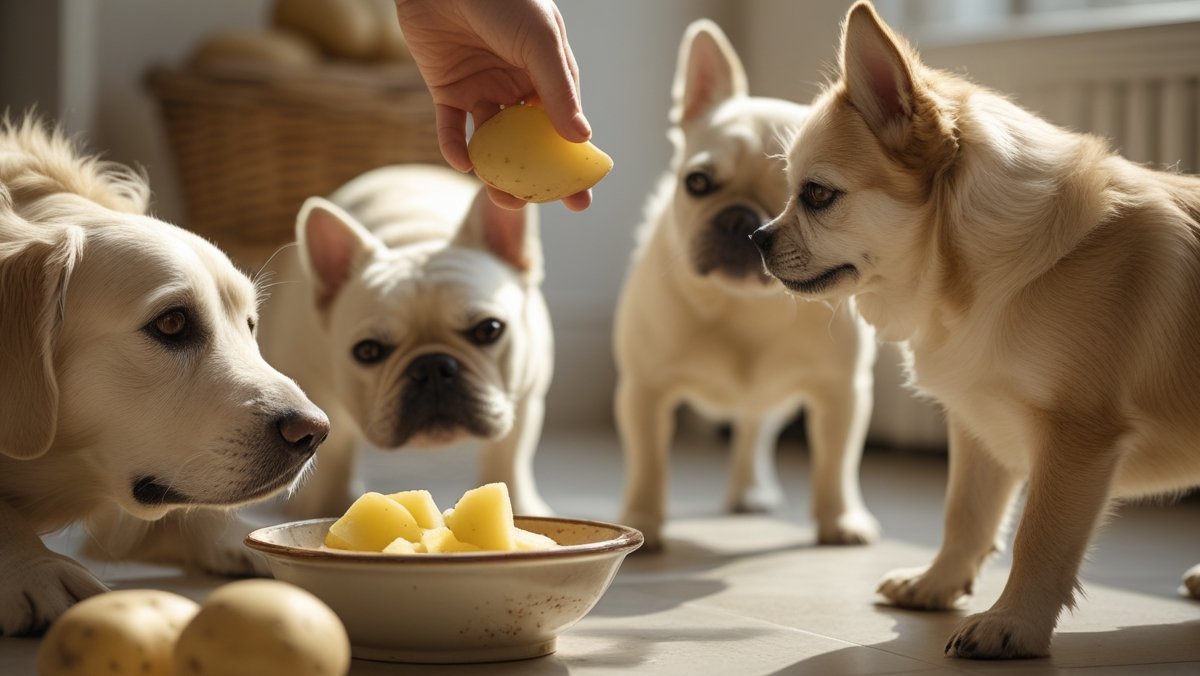
Can dogs eat potatoes? MODERATE, dogs can eat cooked potatoes with caution. Potatoes are safe for dogs because they offer beneficial nutrients like carbohydrates, fiber, and various vitamins and minerals when prepared properly. However, raw potatoes are toxic due to solanine, and certain preparations, like those with added seasonings or fats, are harmful.
🟡 Can dogs eat potatoes? MODERATE
Key Points:
- Safety Status: Moderate – Raw, green, or sprouted potatoes are toxic. Cooked, plain potatoes are safe in small amounts.
- Best Format: Cooked (boiled, baked, steamed, or roasted) and completely plain. Peel the skin before serving.
- Serving Size: A tiny portion, such as a teaspoon for small dogs or up to a few tablespoons for large dogs, as an occasional treat.
- Frequency: Should be an infrequent treat, not a regular part of their diet.
- Main Benefit: Provides energy from carbohydrates, dietary fiber for digestion, and essential vitamins and minerals like Vitamin C and potassium.
- Main Risk: Solanine poisoning from raw potatoes; digestive upset, choking hazard, and weight gain from large quantities or improper preparation.
Table of Contents
- Quick Answer Summary
- Nutritional Benefits of Potatoes for Dogs
- Potential Risks and Safety Concerns
- Safe Serving Methods and Portion Guidelines
- Different Formats: What’s Safe vs Dangerous
- Signs of Adverse Reactions
- Veterinary Recommendations
- Alternative Safe Treats
- Bottom Line
- Can dogs eat potatoes FAQs
Nutritional Benefits of Potatoes for Dogs
Potatoes offer several health advantages when plain, cooked potatoes become part of their occasional treat routine. When prepared correctly and given in moderation, potatoes can be a healthy addition to a dog’s diet.
Primary Nutritional Benefits
- Carbohydrates: Potatoes are a primary source of carbohydrates, which provide energy and support a dog’s overall vitality. These complex carbohydrates contribute to sustained energy levels.
- Dietary Fiber: Potatoes contain dietary fiber, which aids in healthy digestion and helps regulate bowel movements, reducing the risk of constipation. Fiber also supports a healthy gut microbiome.
- Vitamin C: This powerful antioxidant helps eliminate potentially harmful free radicals in the body, reduces inflammation, and supports a strong immune system.
- Vitamin B6: Essential for various bodily functions, Vitamin B6 plays a role in supporting a dog’s immune and nervous systems.
- Potassium: Potatoes are rich in potassium, a vital mineral that helps maintain proper fluid balance, nerve function, and muscle contractions, and supports healthy kidney function.
- Magnesium: This micro-mineral supports the metabolization of proteins and fatty acids, contributing to overall cellular health.
- Iron: An essential nutrient, iron supports the formation of red blood cells, which carry oxygen throughout the body.
- Calcium: Potatoes also contain calcium, an essential mineral for building strong bones and teeth.
Caloric Information
Potatoes are calorie-dense, primarily due to their carbohydrate content. Approximately 100 grams of raw, skinless russet potato contains about 83 calories and 17.8 grams of carbohydrates. One tablespoon of plain mashed potato contains roughly 9 calories.
Weight Management Note
While beneficial, the high carbohydrate content means potatoes can contribute to weight gain if fed in excess. For this reason, portion control is crucial, especially for dogs prone to obesity or those with a sedentary lifestyle. Treats, including potatoes, should not exceed 10% of a dog’s daily caloric intake.
Additional Nutritional Facts
Potatoes are over 75% water, with the remaining portion primarily composed of carbohydrates, mainly starch. While they offer valuable nutrients, they should never replace a balanced commercial dog food diet, which is formulated to meet all of a dog’s specific nutritional needs.
Potential Risks and Safety Concerns
While the answer to “Can dogs eat potatoes?” is generally positive for cooked, plain potatoes, there are important considerations and potential risks to understand.
⚠️ Primary Concerns
Solanine Toxicity
Raw potatoes, especially those that are green, sprouting, or parts of the potato plant (leaves and stems), contain a toxic compound called solanine. Solanine is a glycoalkaloid poison found in nightshade family vegetables, which includes potatoes. Ingesting significant amounts of solanine can be harmful to dogs. Cooking potatoes significantly reduces solanine levels, making them safer to consume. If your dog ingests raw or green potato, symptoms of solanine poisoning can include gastrointestinal distress, lethargy, weakness, and confusion.
Digestive Upset
Feeding large quantities of potatoes, or potatoes that are not thoroughly cooked, can lead to digestive upset in dogs. The crispy texture of raw potatoes can be hard on a dog’s stomach, potentially causing gastrointestinal discomfort. Symptoms can include vomiting and diarrhea.
Obesity and Blood Sugar Spikes
Potatoes are high in carbohydrates. Consuming too many carbohydrates can lead to weight gain and increase the risk of obesity in dogs. Furthermore, potatoes have a high glycemic index, meaning they can cause a rapid spike in blood sugar levels. This is a significant concern for dogs with diabetes or those who are overweight. Veterinarians often advise avoiding potatoes entirely for diabetic dogs.
Choking Hazard and Gastrointestinal Obstruction
Large, raw chunks of potato can pose a choking hazard for dogs. Additionally, raw potatoes are difficult to chew and digest, and sizable pieces may obstruct the gastrointestinal tract.
Oxalates in Potato Skins
Potato skins contain oxalates, or oxalic acid, which are naturally occurring compounds. While a small amount might not be harmful, consuming large quantities of potato skins frequently can lead to health issues in dogs, primarily affecting the kidneys. Oxalates can contribute to the formation of crystals in the urinary tract, potentially leading to kidney stones. For this reason, it is generally recommended to peel potatoes before feeding them to your dog.
Harmful Additives
Many human potato dishes contain ingredients that are toxic or unhealthy for dogs. This includes salt, butter, oils, cheese, cream, milk, garlic, and onion. These additives can cause digestive problems, pancreatitis, or other long-term health issues. Instant mashed potatoes, for example, often contain dairy and seasonings that can be harmful to dogs, especially those who are lactose intolerant.
Individual Variation Notes
Every dog is unique, and some may be more sensitive to certain foods than others. Always introduce new foods, including potatoes, slowly and in very small amounts to observe your dog’s reaction.
Monitoring Recommendations
After introducing potatoes, monitor your dog closely for any signs of adverse reactions, especially digestive upset. If you suspect your dog has eaten raw or green potatoes, or is showing symptoms of solanine toxicity, contact your veterinarian immediately.
Safe Serving Methods and Portion Guidelines
When considering if dogs can eat potatoes, proper preparation and portioning are crucial to ensure their safety and maximize any nutritional benefits.
Preparation Methods
• Wash and Peel: Always wash potatoes thoroughly to remove any dirt or pesticides. Peel the skin before cooking, as potato skins contain oxalates that can be problematic for dogs in large quantities and can be difficult to digest.
• Cook Thoroughly: Potatoes must be cooked to break down solanine, the toxic compound found in raw potatoes. Safe cooking methods include boiling, baking, steaming, or roasting.
• Plain and Unseasoned: Never add salt, butter, oil, cheese, cream, garlic, onion, or any other seasonings to potatoes intended for your dog. These ingredients can be harmful or toxic to dogs.
• Cool Completely: Always allow cooked potatoes to cool completely before serving them to your dog to prevent burns.
• Cut into Small Pieces: Cut potatoes into small, bite-sized pieces to prevent choking, especially for smaller dogs. Plain mashed potatoes can also be a good option for easier digestion.
Serving Size Guidelines
Potatoes should be an occasional treat and never make up more than 10% of your dog’s daily caloric intake. Always consult your veterinarian to determine the appropriate portion size for your individual dog, especially if they have underlying health conditions.
| Pet Size | Serving Amount | Frequency |
|---|---|---|
| Small (under 20 lbs) | 1 teaspoon | Occasionally |
| Medium (21-50 lbs) | 1-2 tablespoons | Occasionally |
| Large (over 50 lbs) | 3-4 tablespoons | Occasionally |
Start with the smallest amount to see how your dog reacts before gradually increasing the portion.
Different Formats: What’s Safe vs Dangerous
Understanding “can dogs eat potatoes” across different preparations is key to keeping your dog safe and healthy. The way a potato is prepared significantly impacts its suitability for canine consumption.
✅ SAFE FORMATS:
• Plain Boiled Potato (peeled, unseasoned, cooled): Boiling effectively reduces solanine levels and makes the potato soft and easy to digest. Ensure no salt or butter is added.
• Plain Baked Potato (peeled, unseasoned, cooled): Similar to boiling, baking renders the potato safe by cooking it thoroughly without harmful additives.
• Plain Steamed Potato (peeled, unseasoned, cooled): Steaming is another excellent method that cooks the potato evenly while retaining nutrients, again, ensuring it is plain.
• Plain Roasted Potato (peeled, unseasoned, cooled): Roasting without any oils, butter, or spices can be a delicious and safe way to offer potatoes.
• Plain Mashed Potato (peeled, boiled/steamed, mashed with water, no milk/butter/seasoning): This is often the easiest form for dogs to digest due to its soft consistency. Avoid instant mashed potatoes due to potential additives.
❌ AVOID THESE FORMATS:
• Raw Potatoes: Raw potatoes contain solanine, a toxic compound that can cause gastrointestinal distress, weakness, and lethargy. Never feed raw potatoes to your dog.
• Green or Sprouted Potatoes: These contain even higher concentrations of solanine and are highly toxic to dogs. Any potato with green discoloration or sprouts should be discarded.
• Potato Skins: While a small piece might not cause harm, potato skins contain oxalates, which can be problematic for a dog’s kidneys in larger amounts or with frequent consumption. They are also tough to digest.
• French Fries and Potato Chips: These are high in unhealthy fats, oils, and sodium, which can lead to digestive upset, pancreatitis, and long-term health issues.
• Potatoes with Seasonings/Additives: Any potato prepared with butter, salt, pepper, cheese, gravy, garlic, or onion is unsafe. Garlic and onion are particularly toxic to dogs.
• Instant Mashed Potatoes: These often contain milk products, artificial flavors, and excessive salt, which can cause digestive issues or other problems for dogs.
🟡 MODERATE CAUTION:
• Potatoes with Eyes/Blemishes (remove before cooking): Potato “eyes” or any bruised/blemished areas can sometimes indicate higher solanine content, even in cooked potatoes. Always cut these parts away.
• Potatoes for Diabetic or Overweight Dogs (consult vet): Due to their high carbohydrate content and glycemic index, potatoes can cause blood sugar spikes. They are generally not recommended for dogs with diabetes or those needing strict weight management.
Signs of Adverse Reactions
Monitor your dog carefully after introducing potatoes or if “can dogs eat potatoes” leads to an accidental ingestion of an unsafe form. Early detection of adverse reactions is important for your dog’s well-being.
Immediate Signs (within 24 hours):
• Vomiting
• Diarrhea
• Lethargy
• Abdominal pain or discomfort
• Weakness
• Excessive drooling
• Loss of appetite
Allergic Reaction Symptoms:
While true potato allergies are rare, some dogs may exhibit signs of sensitivity:
• Skin itching or rashes
• Swelling (especially of the face or paws)
• Hives
• Chronic ear infections (in more delayed reactions)
Emergency Symptom:
• Confusion or disorientation
• Tremors or seizures (in severe cases of solanine poisoning)
• Difficulty breathing
What to Do:
1. Stop Feeding: Immediately stop offering potatoes or any suspect food.
2. Observe: Closely monitor your dog for further symptoms and note the severity and frequency.
3. Contact Your Veterinarian: If your dog exhibits any of the immediate or severe symptoms, or if you suspect they have eaten raw, green, or a large quantity of improperly prepared potatoes, contact your veterinarian right away. Be prepared to describe what your dog ate, how much, and the symptoms observed.
4. Follow Advice: Your vet will provide specific instructions, which may include bringing your dog in for an examination or emergency treatment if necessary. For instance, if vomiting or diarrhea is present, your vet may prescribe medication or fluids to prevent dehydration.
Veterinary Recommendations
Professional guidance consistently emphasizes moderation and proper preparation when considering if dogs can eat potatoes. Veterinarians agree that cooked, plain potatoes are generally safe, while raw forms pose risks.
Veterinary Consensus
Dr. Eliza O’Callaghan, a Managing Veterinarian for Small Door Vet’s NYC practices, states that dogs can eat potatoes in moderation, but they must be cooked, as raw potatoes contain solanine, which is toxic to dogs. Dr. Danielle Bernal, a veterinarian with Wellness Natural Pet Food, also confirms that potatoes are safe for dogs to eat when properly prepared and can be a good source of energy. Dr. Amanda Williams, a veterinarian at Indian Street Animal Clinic, advises peeling potatoes before cooking, preparing them plainly, and allowing them to cool before serving.
Veterinary professionals consistently recommend that potatoes should be thoroughly cooked (boiled, baked, steamed, or roasted) and served without any added seasonings, butter, oil, or salt. They highlight the importance of avoiding raw or green potatoes due to solanine toxicity.
When to Consult Your Vet:
• Pre-existing Health Conditions: If your dog has underlying health conditions, such as diabetes, obesity, or kidney issues, consult your veterinarian before introducing potatoes. Potatoes can cause blood sugar spikes and may exacerbate certain conditions.
• Introducing New Foods: It is always prudent to check with your veterinarian before adding any new food to your dog’s diet, including potatoes.
• Accidental Ingestion: If your dog consumes raw potatoes, green potato parts, or a large amount of potato skins, contact your vet immediately.
• Signs of Illness: If your dog shows any signs of digestive upset, lethargy, weakness, or other concerning symptoms after eating potatoes, seek veterinary advice promptly.
• Dietary Concerns: If you are planning to home-cook meals for your dog and include potatoes, ensure the diet is balanced and contains all necessary nutrients by consulting a veterinarian.
Alternative Safe Treats
If potatoes do not work for your dog, or if you are seeking additional healthy options, several other foods offer excellent nutritional value without the same risks.
Similar Safe Food Category: Root Vegetables
• Sweet Potatoes (cooked, plain, peeled): Sweet potatoes are often considered a superior choice for dogs compared to white potatoes. They are rich in dietary fiber, vitamins A and C, and antioxidants. Sweet potatoes have a lower glycemic index and do not contain toxic glycoalkaloids found in white potatoes. Cooked, plain sweet potato is an excellent source of beta-carotene, supporting healthy skin, coat, eyes, and immune function. You can bake or boil them until soft (how to cook sweet potatoes for dogs).
• Carrots (raw or cooked): Carrots are a popular, crunchy treat high in fiber, vitamin A, and vitamin K, supporting overall health and dental hygiene.
• Pumpkin (canned, plain, unsweetened): A great source of fiber, vitamins A, C, and E, pumpkin can aid digestion and help with an upset stomach.
Other Healthy Options:
• Green Beans (steamed or boiled): Low in calories and a good source of vitamins, minerals, and fiber. Serve plain.
• Broccoli (steamed, small amounts): Contains vitamins C and K and fiber. Feed in small quantities to avoid gas.
• Zucchini (raw or steamed): Low in calories, a good source of calcium, iron, magnesium, and fiber, promoting a healthy gastrointestinal tract.
• Peas (steamed or boiled): A good source of vitamins A and B, and minerals like potassium and magnesium. Avoid canned peas with high sodium content.
• Apples (sliced, core and seeds removed): A good source of fiber and vitamins A and C. Remove seeds as they contain cyanide.
• Blueberries (fresh or frozen) (can dogs eat blueberries): Packed with antioxidants, vitamins C and K, and fiber.
• Cabbage (small amounts, cooked): Supports digestion and skin health, but introduce gradually due to potential for gas.
Always introduce new treats slowly and in moderation, observing your dog for any adverse reactions. These alternatives can provide a variety of nutrients and flavors to keep your dog's treat routine exciting and healthy.
Bottom Line
Can dogs eat potatoes? Cooked, plain potatoes are safe for dogs in moderation. Raw, green, or sprouted potatoes are toxic due to solanine and should always be avoided. The key advice is to always cook potatoes thoroughly, peel them, and serve them without any seasonings, butter, salt, or oils.
Key Takeaways:
✅ Cooked potatoes, such as boiled, baked, steamed, or roasted, are generally safe for dogs.
✅ Always peel potatoes before cooking and serving, as skins contain oxalates that can be problematic.
✅ Ensure potatoes are completely plain, with no added butter, salt, oil, garlic, onion, or other seasonings.
✅ Portion control is crucial; potatoes should be an occasional treat and not exceed 10% of a dog’s daily caloric intake.
✅ Raw potatoes, especially green or sprouted ones, are toxic due to solanine and must never be fed to dogs.
Remember that treats should never exceed 10% of your dog's daily caloric intake. When wondering "Can dogs eat potatoes?", the answer is yes – just ensure they are cooked, plain, and offered in small, appropriate portions. Always consult your veterinarian before introducing any new foods to your dog's diet, especially if they have health conditions (petmd.com).
Can dogs eat potatoes FAQs
Can dogs eat raw potatoes?
No, dogs should never eat raw potatoes. Raw potatoes contain solanine, a toxic compound that can cause gastrointestinal distress, weakness, and lethargy in dogs. Cooking potatoes significantly reduces the levels of solanine, making them safer to consume.
Are potato skins safe for dogs?
Potato skins are generally not recommended for dogs. They can be difficult for dogs to digest and contain oxalates, which can be harmful to a dog’s kidneys if consumed in large quantities or frequently. It is best to peel potatoes before feeding them to your dog.
Can dogs eat mashed potatoes?
Yes, dogs can eat plain mashed potatoes, provided they are made from thoroughly cooked, peeled potatoes with no added ingredients. Avoid using butter, milk, salt, garlic, onion, or any other seasonings, as these can be unhealthy or toxic for dogs. Mashed potatoes can be a good option for easier digestion.
Can dogs eat potato chips or french fries?
No, dogs should not eat potato chips or french fries. These processed potato products are typically high in unhealthy fats, oils, and sodium, which can lead to digestive upset, pancreatitis, and other long-term health problems for dogs. They offer no nutritional benefit and pose significant health risks.
What kind of potatoes can dogs eat?
Dogs can eat most types of cooked, plain white potatoes, including Russet, Yukon Gold, and red potatoes, as long as they are peeled, thoroughly cooked, and unseasoned. Sweet potatoes are also a safe and often more nutritious alternative, packed with fiber and vitamins A and C.
Are sweet potatoes better than white potatoes for dogs?
Sweet potatoes are often considered a healthier choice than white potatoes for dogs. They generally have more fiber, a lower glycemic index, and are rich in vitamins like A and C and antioxidants. Additionally, sweet potatoes are not nightshade plants and do not contain the toxic glycoalkaloids found in white potatoes.