

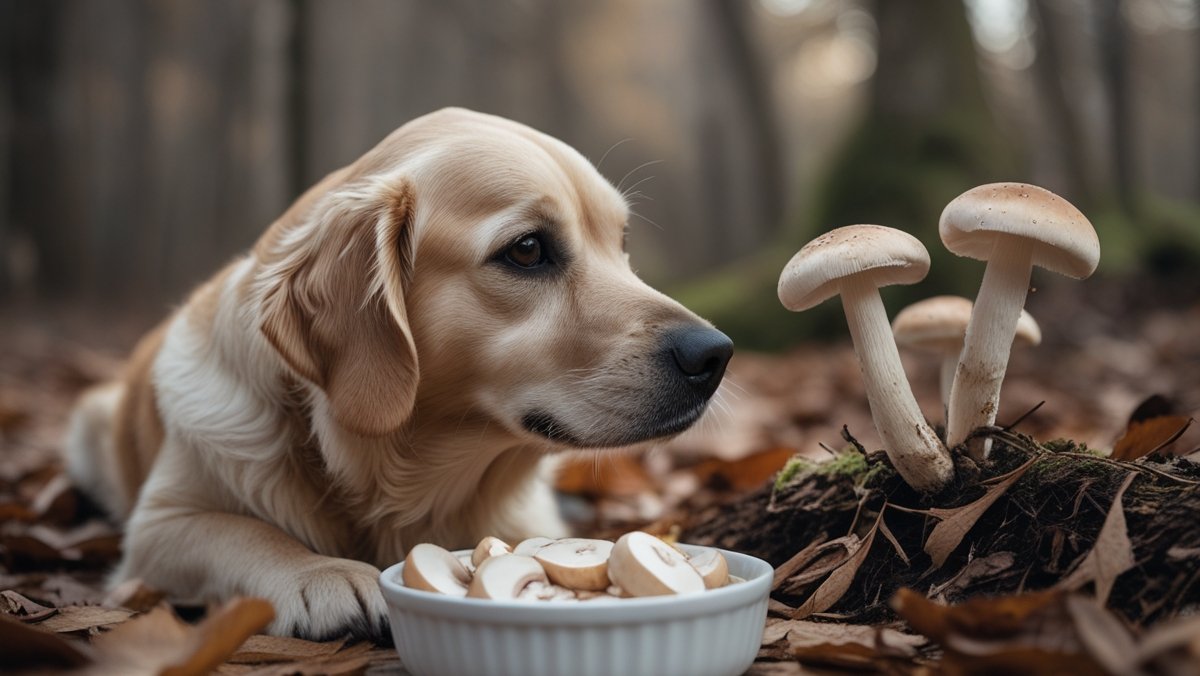
Can dogs eat mushrooms? MODERATE, dogs can eat store-bought mushrooms with caution. Mushrooms are not inherently safe or toxic for dogs because it depends entirely on the kind of mushroom. Wild mushrooms are highly dangerous and should always be avoided. However, commercially grown mushrooms, when prepared correctly, can offer some nutritional benefits. They should only be given as an occasional treat due to potential digestive upset if consumed in large quantities or if your dog has sensitivities.
🟡 Can dogs eat mushrooms? MODERATE
Key Points:
- Safety Status: Moderate – Store-bought mushrooms are generally safe when cooked and plain, but wild mushrooms are highly toxic and can be fatal.
- Best Format: Plain, cooked (steamed or boiled) and unseasoned store-bought varieties.
- Serving Size: A few small pieces for small dogs, up to a whole small mushroom for large dogs, as an occasional treat.
- Frequency: Occasionally, a couple of times a week at most, and as part of the 10% treat rule.
- Main Benefit: Contains vitamins B and D, minerals, antioxidants, and fiber which can support immune health and digestion.
- Main Risk: Wild mushroom poisoning (potentially fatal), digestive upset from raw or improperly prepared mushrooms, or those with toxic seasonings.
Table of Contents
- Quick Answer Summary
- Nutritional Benefits of Mushrooms for Dogs
- Potential Risks and Safety Concerns
- Safe Serving Methods and Portion Guidelines
- Different Formats: What’s Safe vs. Dangerous
- Signs of Adverse Reactions
- Veterinary Recommendations
- Alternative Safe Treats
- Bottom Line
- Can Dogs Eat Mushrooms FAQs
Nutritional Benefits of Mushrooms for Dogs
Mushrooms offer several health advantages when store-bought, cooked varieties become part of their occasional treat routine. They are low in calories and fat, making them a suitable treat for dogs in moderation.Primary Nutritional Benefits:
- Vitamins B and D: These vitamins support energy production and bone health.
- Minerals (Iron, Zinc, Potassium, Selenium): Essential for maintaining healthy blood, immune function, and overall well-being.
- Antioxidants: Help combat oxidative stress, reduce inflammation, and support immune health.
- Fiber: Both soluble and insoluble dietary fiber in mushrooms can support digestive health and regulate bowel movements.
- Beta-glucans: These complex sugars can stimulate the immune system, helping a dog’s body fight off infections and illnesses.
Caloric Information:
Mushrooms are naturally low in calories. A cup of sliced white button mushrooms, for example, contains approximately 15-20 calories. This low-calorie count makes them a good option for weight management when given as an occasional treat. Always remember that treats, including mushrooms, should not exceed 10% of your dog’s daily caloric intake.Potential Risks and Safety Concerns
While the answer to “Can dogs eat mushrooms?” is moderate, there are important considerations regarding their safety. Many mushrooms are harmless, but some are highly toxic and can be deadly to dogs.⚠️ Primary Concerns:
Wild Mushroom Poisoning:
Wild mushrooms growing in yards, parks, or wooded areas pose the most significant risk. It is difficult to distinguish between safe and poisonous wild mushrooms, even for specialists. Veterinarians recommend treating all wild mushrooms as potentially toxic and their ingestion as a veterinary emergency. Even a small bite of a deadly species can be lethal.Toxic Mushroom Species:
- Amanita Mushrooms (e.g., Death Cap, Death Angel): These are extremely dangerous and can cause severe gastrointestinal issues, liver failure, kidney failure, seizures, coma, and often death. Symptoms may appear hours after ingestion, making early intervention critical.
- False Morels (Gyromitra species): Contain hydrazine toxins, which can cause severe vomiting, diarrhea, and neurological signs like dizziness and seizures.
- Inocybe and Clitocybe species: These mushrooms contain muscarinic agents that can lead to excessive drooling, watery eyes, increased urination, diarrhea, and neurological symptoms.
- Psilocybin Mushrooms (Hallucinogenic “Magic” Mushrooms): Can cause disorientation, vocalization, dilated pupils, agitation, tremors, and seizures.
Digestive Upset:
Even safe, store-bought mushrooms can cause gastrointestinal upset if consumed in large quantities or raw. Raw mushrooms contain chitin, which is difficult for dogs to digest and can lead to bloating, gas, vomiting, or diarrhea.Toxic Seasonings and Additives:
Mushrooms prepared for human consumption often include ingredients like onions, garlic, salt, butter, and oils, which are harmful or toxic to dogs. Onions and garlic, for instance, can cause red blood cell damage.Individual Variation:
Some dogs may be more sensitive to mushrooms than others, even to safe varieties, experiencing mild digestive upset. Monitoring your dog after introducing any new food is always important.Safe Serving Methods and Portion Guidelines
When considering “Can dogs eat mushrooms,” proper preparation and portioning are crucial to ensure safety and prevent adverse reactions.Preparation Methods:
- Choose Store-Bought: Only offer mushrooms purchased from a grocery store. Never feed your dog wild mushrooms.
- Clean Thoroughly: Wash mushrooms to remove any dirt or debris.
- Cook Plainly: Always cook mushrooms before serving them to your dog. Cooking breaks down chitin, making them easier to digest. Steam or boil mushrooms without any seasonings, oils, butter, or salt. Avoid frying, which can add unhealthy fats.
- Chop Small: Cut cooked mushrooms into small, bite-sized pieces to prevent choking hazards.
- Cool Completely: Ensure mushrooms are cooled before offering them to your dog.
- Avoid Additives: Do not add onions, garlic, excessive salt, or other human seasonings that are toxic or unhealthy for dogs.
Serving Size Guidelines:
Treats, including mushrooms, should constitute no more than 10% of a dog’s daily caloric intake. Introduce them slowly and in small amounts to observe for any adverse reactions.| Pet Size | Serving Amount | Frequency |
|---|---|---|
| Small (under 10 lbs) | A few small pieces (e.g., quarter of a small mushroom) | Occasionally, 1-2 times per week |
| Medium (10-50 lbs) | Half to one small mushroom (chopped) | Occasionally, 1-2 times per week |
| Large (over 50 lbs) | One small mushroom or a portion of a larger mushroom (chopped) | Occasionally, 1-2 times per week |
Different Formats: What’s Safe vs. Dangerous
Understanding “Can dogs eat mushrooms” across different preparations is vital for your dog’s safety.✅ SAFE FORMATS:
- Cooked Store-Bought Mushrooms (Plain): This includes common varieties like white button, cremini, portobello, shiitake, oyster, and maitake mushrooms, prepared by steaming or boiling without any seasonings, oils, or butter.
- Dried Mushrooms (Rehydrated and Plain): Dried mushrooms can be safe if they are plain and rehydrated before feeding to prevent digestive issues.
❌ AVOID THESE FORMATS:
- Wild Mushrooms: These are highly toxic and can be deadly. Never allow your dog to consume any mushrooms found outdoors.
- Raw Mushrooms: Raw mushrooms are difficult for dogs to digest due to chitin in their cell walls, potentially causing digestive upset like gas, bloating, vomiting, and diarrhea.
- Mushrooms with Seasonings or Additives: Any mushrooms cooked with garlic, onions, excessive salt, spices, or butter are unsafe for dogs and can be toxic.
- Canned Mushrooms: Often contain high levels of sodium and preservatives, which are not healthy for dogs.
🟡 MODERATE CAUTION:
- Small Amounts of Raw Store-Bought Mushrooms (Chopped): While generally not recommended due to digestibility issues, if given, they must be in very small, chopped pieces to reduce digestive upset. However, cooked is always preferred.
Signs of Adverse Reactions
Monitor your dog closely after introducing mushrooms or if you suspect they have eaten a wild mushroom. The symptoms of mushroom poisoning can vary greatly depending on the species of mushroom and its toxins.Immediate Signs (within 15 minutes to a few hours):
- Vomiting
- Diarrhea
- Excessive salivation or drooling
- Lethargy or weakness
- Abdominal pain or discomfort
More Severe Symptoms (can be delayed up to 24 hours or even days):
- Ataxia (staggering gait or uncoordinated movements)
- Tremors
- Seizures
- Disorientation or confusion
- Increased or decreased urination
- Jaundice (yellowing of gums or eyes), indicating liver damage
- Coma
- Liver or kidney failure
Allergic Reaction Symptoms:
While rare, a dog could have an allergic reaction to any new food.- Hives or skin rash
- Facial swelling
- Difficulty breathing (emergency symptom)
What to Do:
- Contact a Veterinarian Immediately: If you suspect your dog has eaten a wild mushroom, contact your veterinarian, an animal poison control center, or an emergency veterinary hospital without delay. Time is critical in cases of mushroom poisoning.
- Collect a Sample: If possible, safely collect a sample of the mushroom (or parts of it from vomit) for identification. Place it in a paper bag, not plastic, to prevent further decay.
- Do Not Induce Vomiting: Never try to make your dog vomit unless specifically instructed by a veterinary professional, as this can worsen the situation.
- Follow Vet’s Advice: Your veterinarian will determine the best course of action, which may include inducing vomiting, administering activated charcoal, or providing supportive care.
Veterinary Recommendations
Professional guidance on “Can dogs eat mushrooms” highlights the critical distinction between store-bought and wild varieties.Veterinarians universally advise extreme caution regarding mushrooms. "There is no simple test to differentiate a poisonous mushroom from a non-poisonous one. Therefore, unless a specialist can quickly identify a mushroom as non-toxic, all mushroom ingestions by pets should be considered potentially toxic, and a veterinarian should see the pet immediately".
When to Consult Your Vet:
- Your dog has eaten any wild mushroom, even if not showing symptoms.
- Your dog shows any signs of illness after consuming store-bought mushrooms (vomiting, diarrhea, lethargy).
- Your dog has a pre-existing health condition, especially liver or kidney issues, before introducing any new food.
- You are unsure about the safety of a particular mushroom or how to prepare it.
- Your dog is on a prescription diet, as new foods may interfere with it.
Veterinary Consensus:
The general consensus among veterinary professionals is that while plain, cooked store-bought mushrooms (like button, cremini, portobello, shiitake, or maitake) are not toxic in small amounts, they are also not a necessary part of a dog’s diet and offer limited unique benefits that a balanced dog food does not already provide. The significant risk associated with wild mushrooms means that prevention is paramount. Regularly check your yard for mushroom growth and supervise your dog closely during outdoor activities to prevent accidental ingestion. If ingestion occurs, immediate veterinary attention is crucial.Alternative Safe Treats
If mushrooms don’t work for your dog, or you prefer to avoid them due to the risks, many other safe and healthy alternatives are available.Similar Safe Vegetable Options:
- Green Beans: Low in calories and fat, rich in vitamins and fiber (safe for dogs).
- Carrots: Crunchy, good for dental health, and packed with beta-carotene (safe for dogs).
- Sweet Potatoes: Excellent source of fiber, vitamins, and minerals when cooked plain (safe for dogs).
- Broccoli: Can be given in small, cooked portions, offering vitamins K and C, and fiber (safe for dogs).
Other Healthy Options:
- Blueberries: Full of antioxidants and vitamins.
- Apples (without seeds): A good source of fiber and vitamins, but remove the core and seeds.
- Bananas: Offer potassium and vitamins when given in moderation.
- Cooked Chicken (Plain): Lean protein, excellent for training treats.
Always introduce new treats slowly and in moderation, ensuring they are prepared plainly without seasonings harmful to dogs. Consult your veterinarian before making significant changes to your dog's diet.
Bottom Line
Can dogs eat mushrooms? **MODERATE**, dogs can eat plain, cooked, store-bought mushrooms in moderation. Store-bought mushrooms are generally considered safe because they do not contain the toxins found in many wild varieties. The key advice is strict avoidance of all wild mushrooms and careful preparation of cultivated ones.Key Takeaways:
- ✅ Only feed your dog commercially grown mushrooms that you would eat yourself.
- ✅ Always cook mushrooms thoroughly without any seasonings, oils, or butter.
- ✅ Chop mushrooms into small pieces to prevent choking and aid digestion.
- ✅ Offer mushrooms as an occasional treat, not a dietary staple, and in small quantities.
- ✅ Never allow your dog to eat wild mushrooms, as many are highly toxic and difficult to identify.
Can Dogs Eat Mushrooms FAQs
Can dogs eat cooked mushrooms?
Yes, dogs can eat cooked mushrooms that are store-bought, plain, and unseasoned. Cooking breaks down the tough cell walls, making them easier for dogs to digest and more beneficial for nutrient absorption. Steamed or boiled mushrooms are the safest options.
What are the side effects of mushrooms for dogs?
Side effects depend heavily on the mushroom type. Wild, toxic mushrooms can cause severe vomiting, diarrhea, lethargy, tremors, seizures, and organ failure, sometimes with delayed onset. Even safe, cooked mushrooms in large amounts can cause mild digestive upset like gas or diarrhea.
Are mushrooms really good for dogs?
Store-bought mushrooms offer some nutritional benefits, including vitamins B and D, minerals, antioxidants, and fiber, which support immune and digestive health. However, they are not an essential part of a dog’s diet, as a balanced dog food provides all necessary nutrients. Their primary benefit is as a low-calorie, occasional treat.