

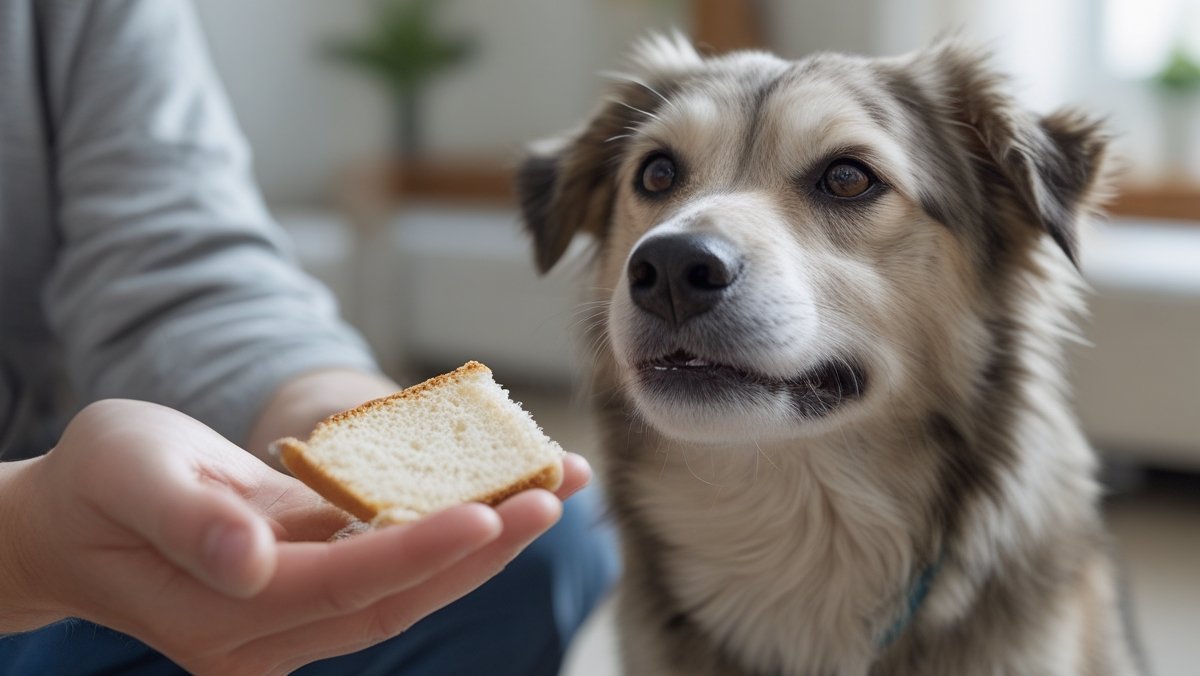
Can dogs eat bread? MODERATE, dogs can eat plain, fully cooked bread with caution. Bread is generally not toxic for dogs because it consists mainly of flour, water, and yeast. However, it does not offer much nutritional value and is high in carbohydrates, which can lead to health issues like obesity if given too often. Certain types of bread or raw dough are dangerous and should always be avoided.
🟡 Can dogs eat bread? MODERATE
Key Points:
- Safety Status: Moderate – Plain, fully cooked bread is not toxic in small amounts, but offers little nutritional value and is high in carbohydrates. Raw dough and bread with certain ingredients are dangerous.
- Best Format: Plain white or wheat bread, fully baked, unseasoned, and free of harmful additives.
- Serving Size: A very small, bite-sized piece as an occasional treat. Never a whole slice.
- Frequency: Should be an occasional treat, perhaps once a week, not a regular part of their diet.
- Main Benefit: Limited; trace amounts of fiber, iron, zinc, or magnesium. Can help disguise medication or bind small indigestible objects in rare cases, under veterinary guidance.
- Main Risk: Raw dough causes bloat and alcohol poisoning. Cooked bread with toxic ingredients (xylitol, raisins, garlic) is dangerous. Regular feeding can lead to obesity or pancreatitis.
Table of Contents
- Quick Answer Summary
- Nutritional Benefits of Bread for Dogs
- Potential Risks and Safety Concerns
- Safe Serving Methods and Portion Guidelines
- Different Formats: What’s Safe vs Dangerous
- Signs of Adverse Reactions
- Veterinary Recommendations
- Alternative Safe Treats
- Bottom Line
- Can dogs eat bread FAQs
Nutritional Benefits of Bread for Dogs
Bread offers minimal health advantages when it becomes part of a dog’s occasional treat routine. Dogs get all necessary nutrients from a (balanced diet of high-quality dog food).Primary Nutritional Benefits
* **Fiber:** Whole wheat bread contains some fiber, which can help support digestive health and regularity. * **Trace Minerals:** Certain breads may contain small amounts of zinc, iron, and magnesium. These amounts are negligible compared to a dog’s regular diet. * **Binding Agent:** In specific, rare situations, a veterinarian might suggest a small piece of bread to help a dog pass a small, blunt, indigestible object, like a tiny chicken bone, by binding to it. This should only be done under professional veterinary guidance. * **Medication Disguise:** Bread can serve as a convenient way to hide medication for dogs who are reluctant to take pills.Caloric Information
One slice of commercially prepared whole wheat bread contains approximately 81.5 calories. Bread is primarily made of carbohydrates (around 13.8g per slice), which convert to sugar and energy in the body.Weight Management Note
Due to its high carbohydrate and caloric content, regularly feeding dogs bread can contribute to (weight gain and potentially lead to obesity or diabetes). Treats, including bread, should never exceed 10% of a dog’s daily caloric intake.Potential Risks and Safety Concerns
While the answer to “Can dogs eat bread?” has a moderate qualification, several important considerations exist. Many common bread ingredients are hazardous to dogs.⚠️ Primary Concerns
Raw Bread Dough
(Raw, yeast-based bread dough is extremely dangerous and requires immediate veterinary attention if ingested). The warm, moist environment of a dog’s stomach promotes the yeast to continue rising, which can cause severe abdominal distention or bloat. This distention can lead to gastric dilatation and volvulus (GDV), a life-threatening condition where the stomach twists.The fermentation process in the stomach also produces ethanol, which can result in alcohol toxicosis. Symptoms of bread dough toxicosis include dry heaving, abdominal distention, weakness, depression, an unsteady, drunken gait, hypothermia, seizures, and coma.
Toxic Ingredients in Cooked Bread
Many common bread additives are highly toxic to dogs: * **Xylitol:** (This artificial sweetener is profoundly toxic to dogs). Even small amounts can cause a rapid and severe drop in blood sugar (hypoglycemia), leading to vomiting, weakness, staggering, collapse, and seizures. Higher doses can cause liver failure. Xylitol is found in many sugar-free baked goods, gums, and some peanut butter brands. Always check labels. * **Raisins and Grapes:** Often found in sweet breads, raisins (and grapes) are highly toxic to dogs and can cause acute kidney failure, even in small quantities. * **Garlic and Onions:** These, along with chives and leeks, belong to the *Allium* family and are toxic to dogs. They can damage red blood cells, leading to hemolytic anemia. Garlic bread is especially dangerous. * **Chocolate:** Found in chocolate chip breads, chocolate contains theobromine, which dogs metabolize slowly. This can lead to vomiting, diarrhea, tremors, seizures, and heart problems. * **Macadamia Nuts:** These nuts are toxic to dogs, causing weakness, vomiting, tremors, and hyperthermia. Other nuts can also be high in fat, posing a risk of pancreatitis. * **Nutmeg:** This spice, used in some dessert breads, can cause neurological symptoms, vomiting, and abdominal pain if ingested by dogs.High Fat, Sugar, and Salt Content
Breads with high amounts of butter, sugar, or salt are not good for dogs. * **Fat:** High-fat ingredients can lead to gastrointestinal upset, vomiting, diarrhea, and potentially pancreatitis, a serious inflammation of the pancreas. * **Sugar:** Too much sugar contributes to weight gain, dental problems, and can increase the risk of diabetes. * **Salt:** Excessive salt intake can lead to sodium ion poisoning, causing vomiting, diarrhea, lethargy, tremors, and seizures.Allergic Reactions and Sensitivities
Some dogs have allergies or sensitivities to common bread ingredients like wheat or gluten. Symptoms of such allergies can include gastrointestinal issues (vomiting, diarrhea), skin problems (itchiness, redness), ear infections, and weight loss.Individual Variation Notes
A dog’s reaction to bread can vary based on individual factors like age, size, overall health, and any underlying conditions such as diabetes or food allergies. A small amount of plain bread might be fine for one dog, while another could experience digestive upset.Monitoring Recommendations
Always introduce any new human food, including bread, in very small amounts and observe your dog closely for any signs of adverse reactions for at least 24 hours. If your dog shows any concerning symptoms, contact your veterinarian immediately.Safe Serving Methods and Portion Guidelines
When considering if dogs can eat bread, proper preparation and portioning are crucial for their safety. Always prioritize plain, cooked bread free from harmful additives.Preparation Methods
* **Keep it Plain:** Only offer plain bread. Avoid any additions like butter, jam, cheese, spreads, or seasonings. * **Ensure it’s Fully Cooked:** Never give raw bread dough to your dog due to the severe risks of bloat and alcohol poisoning. * **Cut into Small Pieces:** To prevent choking, especially for smaller dogs, tear or cut the bread into small, manageable, bite-sized pieces. * **Cool Completely:** Ensure any cooked bread or toast has cooled completely before offering it to your dog to prevent burns.Serving Size Guidelines
Bread should always be an occasional treat and never form a significant part of your dog’s diet. Treats should constitute no more than 10% of their daily caloric intake.| Pet Size | Serving Amount | Frequency |
|---|---|---|
| Small (under 20 lbs) | A tiny pinch or crumb (e.g., 1/8 of a slice) | Very occasionally (e.g., once a week or less) |
| Medium (20-50 lbs) | A small bite-sized piece (e.g., 1/4 of a slice) | Occasionally (e.g., once a week or less) |
| Large (over 50 lbs) | A small piece (e.g., 1/2 of a slice, torn) | Occasionally (e.g., once a week or less) |
Limit bread consumption to an occasional snack, not a daily occurrence, to prevent digestive upset and unnecessary calorie intake.
Different Formats: What’s Safe vs. Dangerous
Understanding what types of bread are safe or unsafe is essential. The ingredients and preparation significantly impact whether bread is suitable for your dog.✅ SAFE FORMATS:
* **Plain White Bread** (fully cooked, no additives): Generally safe in small, occasional amounts for most healthy dogs without wheat allergies. * **Plain Wheat Bread** (fully cooked, no additives): Similar to white bread, it is safe in moderation if your dog does not have a wheat allergy. * **Plain Toast** (no butter, jam, or seasonings): Cooked toast can be given in small amounts. * **Plain Sourdough Bread** (fully cooked, no toxic ingredients): Small amounts of cooked sourdough are generally safe. * **Rye Bread** (plain, fully cooked, no additives): Plain rye bread can be an occasional treat. * **Plain Brown or Wholemeal Bread** (fully cooked, no seeds or fruit): Safe in moderation, ensure no added seeds, nuts, or fruits. * **Bread Crusts** (plain, fully cooked): Bread crusts are generally safe if they are plain and cooked.❌ AVOID THESE FORMATS:
* **Raw Bread Dough:** Extremely dangerous. The yeast expands in the stomach, causing bloat and producing alcohol, leading to life-threatening alcohol toxicosis. * **Garlic Bread:** Garlic is toxic to dogs and can cause red blood cell damage and hemolytic anemia. Butter and high fat content also contribute to digestive upset. * **Raisin Bread:** Raisins are highly toxic to dogs and can cause kidney failure. Never feed raisin bread. * **Chocolate Chip Bread:** Chocolate contains theobromine, which is toxic to dogs. * **Breads with Xylitol:** Xylitol is a highly toxic artificial sweetener found in some sugar-free baked goods. It causes a rapid and severe drop in blood sugar and liver damage. * **Onion Bread or Breads with Onion/Leek/Chive Powder:** Onions are toxic to dogs, similar to garlic, and can lead to anemia. * **Banana Bread, Pumpkin Bread, or other Sweet/Dessert Breads:** These often contain high amounts of sugar, butter, and potentially toxic ingredients like nutmeg, macadamia nuts, or raisins. * **Buttered Toast:** Butter adds excessive fat, which can lead to gastrointestinal upset or pancreatitis. * **Seeded Bread:** Seeds, especially certain nuts (like macadamia), can be toxic or cause stomach irritation due to high fat content.🟡 MODERATE CAUTION:
* **Any Bread with High Fat/Sugar/Salt:** While not immediately toxic, these ingredients can lead to digestive upset, weight gain, pancreatitis, or other long-term health issues if consumed regularly.Signs of Adverse Reactions
Monitor your dog closely after introducing bread or if they accidentally consume a large amount or a dangerous type. Early recognition of symptoms is crucial for their well-being.Immediate Signs (within 24 hours)
* **Vomiting:** Your dog may expel recently eaten food. * **Diarrhea:** Loose or watery stools can occur. * **Lethargy:** Your dog may appear unusually tired or less energetic. * **Decreased Appetite:** A loss of interest in food. * **Abdominal Pain/Discomfort:** They may show signs of an upset stomach.Raw Dough Ingestion Symptoms
If your dog eats raw bread dough, look for these severe signs: * **Dry Heaving or Retching:** Attempts to vomit without producing much. * **Abdominal Distention (Bloat):** The stomach may appear visibly swollen or hard to the touch. * **Weakness or Depression:** A noticeable decrease in activity and alertness. * **Unsteady, Drunken Gait (Ataxia):** Difficulty walking straight or maintaining balance due to alcohol toxicosis. * **Hypothermia:** An abnormally low body temperature. * **Seizures:** Uncontrolled electrical activity in the brain. * **Coma:** A state of deep unconsciousness.Toxic Ingredient Allergic Reaction Symptoms
If bread contained toxic ingredients or if your dog has an allergy, symptoms can be severe: * **Allergic Reactions (Wheat/Gluten):** Itchy skin, redness, chronic ear infections, or gastrointestinal issues. * **Xylitol Poisoning:** Vomiting, lethargy, weakness, staggering, collapse, seizures. Liver injury may appear later. * **Raisin/Grape Toxicity:** Vomiting, lethargy, diarrhea, decreased appetite, abdominal pain, increased thirst, and reduced urination (signs of kidney failure). * **Garlic/Onion Toxicity:** Vomiting, diarrhea, lethargy, weakness, pale gums, rapid breathing (signs of anemia).What to Do
1. **Contact Your Veterinarian Immediately:** If your dog ingests raw bread dough or any bread containing toxic ingredients (xylitol, raisins, garlic, chocolate, macadamia nuts), call your veterinarian or an emergency animal hospital without delay. 2. **Do Not Induce Vomiting:** Unless specifically instructed by a vet, do not try to make your dog vomit, especially with raw dough, as this can worsen the situation. 3. **Provide All Information:** Tell your vet exactly what your dog ate, how much, and when. 4. **Observe Closely:** Follow your vet’s instructions carefully and monitor your dog for any changes in condition. Hospitalization may be necessary for severe cases.Veterinary Recommendations
Professional guidance on “Can dogs eat bread?” emphasizes caution and moderation. Vets generally agree that plain, cooked bread is not harmful but also not beneficial as a regular food source.According to veterinarians, bread isn’t poisonous, but it offers minimal nutritional value. A small bite of plain bread is likely fine, but (consistently feeding bread, especially varieties with sugar, seeds, or spices, can undermine a dog’s health).
When to Consult Your Vet
* **Raw Dough Ingestion:** If your dog eats any amount of raw, yeast-based bread dough, contact your vet immediately. This is a medical emergency. * **Toxic Ingredients:** If your dog consumes bread containing xylitol, raisins, garlic, onion, chocolate, or macadamia nuts, seek urgent veterinary care. * **New Health Conditions:** If your dog has existing health issues such as diabetes, pancreatitis, or food allergies (especially to wheat or gluten), consult your vet before offering any bread. * **Digestive Upset:** If your dog experiences vomiting, diarrhea, lethargy, or loss of appetite after eating bread. * **Overweight Concerns:** If your dog is overweight or prone to weight gain, discuss appropriate treats with your vet. * **General Dietary Advice:** Before making any significant changes to your dog’s diet or introducing new “people foods,” always consult your veterinarian.Veterinary Consensus
The consensus among veterinary professionals is that plain, fully baked bread is safe for dogs in small, infrequent amounts. It serves as an empty calorie filler rather than a nutritional component of their diet. The primary concerns revolve around raw dough and bread with toxic additives. For an upset stomach, vets typically recommend bland diets like boiled chicken and rice instead of bread. Prioritize a balanced dog food diet and vet-approved treats.Alternative Safe Treats
If bread doesn’t work for your dog, or if you prefer healthier options, many safe and nutritious alternatives exist. These treats offer more vitamins, minerals, and fiber without the high carbohydrate content of bread.Similar Safe Food Category: Fruits and Vegetables
* **Carrots** (raw or cooked): Low in calories, good for dental health, and a source of vitamins and fiber. * **Green Beans** (plain, cooked or raw): Excellent source of protein, calcium, iron, and vitamin K. * **Apples** (sliced, no core or seeds): Provide vitamins A and C, and fiber. Ensure all seeds are removed, as they contain cyanide. * **Bananas** (in moderation): A good source of potassium and vitamins, but high in sugar so offer in small amounts. * **Pumpkin** (plain, cooked, unsweetened): Rich in fiber and can help with digestive issues. * **Sweet Potato** (plain, cooked): A good source of vitamins, minerals, and dietary fiber.Other Healthy Options
* **Cooked Lean Meats:** Small pieces of plain, cooked chicken, turkey, or beef (without bones or skin) are excellent sources of protein. * **Cooked Eggs:** Plain scrambled or hard-boiled eggs offer high-quality protein, fatty acids, and essential vitamins. * **Plain Yogurt:** Small amounts of plain, unsweetened yogurt can provide probiotics for gut health, but some dogs may be lactose intolerant. * **Xylitol-Free Peanut Butter:** A popular treat and good source of protein, but ensure it’s plain, unsalted, and thoroughly checked for xylitol. * **Dog-Specific Treats:** Choose commercially available dog treats that are formulated to be nutritionally balanced and appropriate for your dog’s size and dietary needs.Bottom Line
Can dogs eat bread? A definitive answer is that plain, fully cooked bread can be given to dogs with qualification. It is generally safe in very small, infrequent amounts. However, bread offers no significant nutritional benefits and is high in carbohydrates, making it a poor choice for regular feeding. The biggest dangers come from raw bread dough and bread containing toxic ingredients like xylitol, raisins, garlic, or chocolate, which can cause severe, life-threatening reactions.Key Takeaways:
✅ Offer only plain, fully baked bread. ✅ Keep portions very small and infrequent. ✅ Never give raw bread dough. ✅ Avoid bread with xylitol, raisins, garlic, onions, chocolate, or macadamia nuts. ✅ Monitor your dog for any signs of allergies or digestive upset.Remember that treats should never exceed 10% of your dog's daily caloric intake. When wondering "Can dogs eat bread?", the answer is a cautious moderate – just ensure it is plain, cooked, free of toxic ingredients, and given sparingly.
Can dogs eat bread FAQs
Is it bad for dogs to eat bread?
Eating plain, cooked bread in small, occasional amounts is generally not harmful for most healthy dogs, but it offers little nutritional benefit and is high in carbohydrates, which can lead to weight gain if fed regularly. Raw bread dough or bread with toxic ingredients like xylitol, raisins, garlic, or onion is dangerous and can be life-threatening.
How many slices of bread can a dog eat?
Dogs should only eat very small amounts of plain, cooked bread as a rare treat, not a full slice. Treats, including bread, should not exceed 10% of their daily caloric intake to prevent weight gain and digestive upset. A small bite-sized piece or a crumb is generally sufficient, depending on the dog’s size.
What foods can dogs not eat?
Dogs should avoid foods containing xylitol, chocolate, grapes, raisins, onions, garlic, macadamia nuts, avocado, and alcohol. These can cause various levels of toxicity, from digestive upset to organ failure or even death. Other harmful ingredients include excessive salt, sugar, and fat found in many human foods.
Can dogs eat scrambled eggs?
Yes, dogs can safely eat plain scrambled eggs that are fully cooked without butter, oil, salt, or seasonings. Eggs are a good source of protein, fatty acids, and vitamins, making them a healthy treat or dietary supplement for dogs in moderation. Some dogs may have egg allergies, so introduce them slowly.


[…] dogs can eat pistachios in moderation, important considerations exist. Many risks outweigh the potential […]