

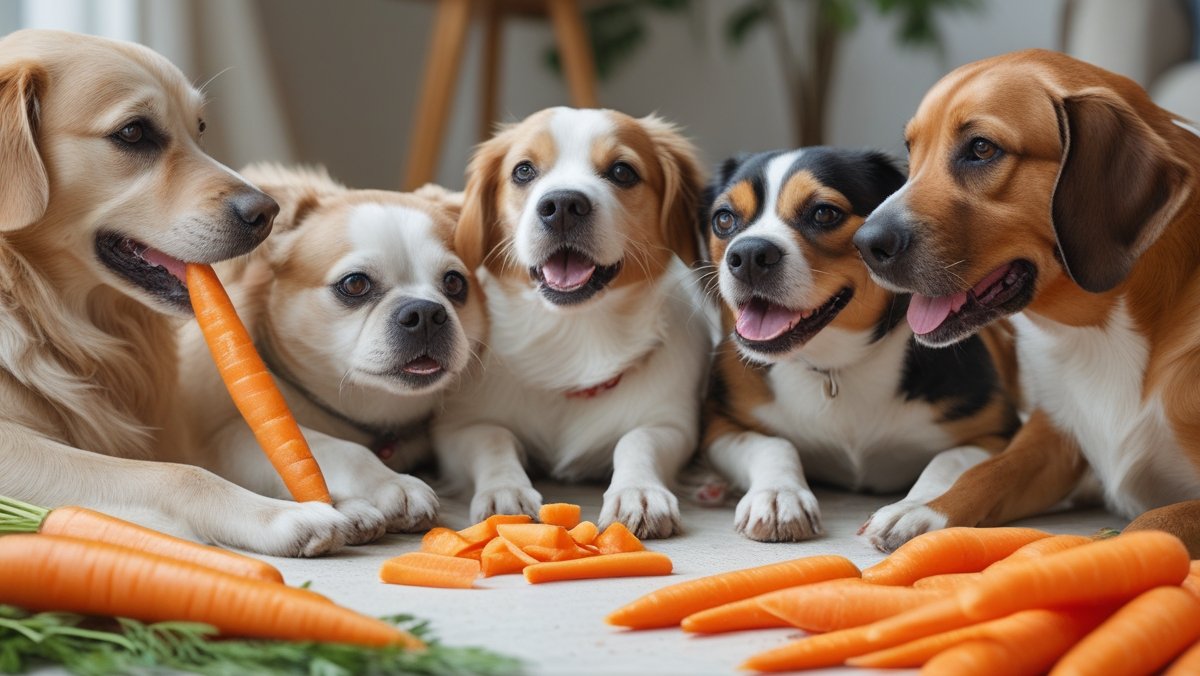
Can dogs eat carrots? YES, dogs can safely eat carrots in moderation. Carrots are safe for dogs because they contain beneficial nutrients like vitamins, minerals, and fiber. However, they should only be given as occasional treats and prepared properly to avoid choking hazards or digestive upset.
✅ Can dogs eat carrots? YES
Key Points:
- Safety Status: Safe – Carrots are a healthy, low-calorie snack for most dogs.
- Best Format: Raw or cooked, plain, and cut into bite-sized pieces to prevent choking. Frozen carrots can also soothe teething puppies.
- Serving Size: 1-3 baby carrots per day, depending on dog size. Treats should not exceed 10% of a dog’s daily caloric intake.
- Frequency: Can be given daily in moderation.
- Main Benefit: Rich in beta-carotene (vitamin A), fiber, and beneficial for dental health.
- Main Risk: Choking hazard if not cut properly; digestive upset or weight gain if overfed due to natural sugars.
Table of Contents
- Quick Answer Summary
- Nutritional Benefits of Carrots for Dogs
- Potential Risks and Safety Concerns
- Safe Serving Methods and Portion Guidelines
- Different Formats: What’s Safe vs. Dangerous
- Signs of Adverse Reactions
- Veterinary Recommendations
- Alternative Safe Treats
- Bottom Line
- Can dogs eat carrots? FAQs
Nutritional Benefits of Carrots for Dogs
Carrots offer several health advantages when “Can dogs eat carrots” becomes part of their occasional treat routine. This crunchy vegetable provides a range of essential nutrients that support a dog’s overall well-being.Primary Nutritional Benefits:
- Beta-Carotene (Vitamin A): Supports vision, immune function, and skin health. Beta-carotene is converted into Vitamin A in the dog’s body.
- Vitamin K: Plays a role in blood clotting and bone health.
- Potassium: Essential for nerve function, muscle contraction, and fluid balance.
- Vitamin B6: Important for metabolism and red blood cell formation.
- Fiber: Promotes healthy digestion, aids in regulating bowel movements, and can help prevent constipation and diarrhea.
- Antioxidants: Help protect cells from damage and can improve skin and coat health.
Caloric Information:
Carrots are low in calories and high in fiber, making them an excellent snack for weight management. A one-ounce serving of carrots contains approximately ten calories. This makes them a good option for dogs who need to watch their weight, helping them feel full without adding many calories.Additional Nutritional Facts:
Carrots are mostly water and fiber, contributing to hydration and satiety. They are a natural, wholesome choice compared to commercially produced dog foods with artificial additives. The natural sweetness of carrots also makes them appealing to most dogs.Potential Risks and Safety Concerns
While “Can dogs eat carrots” has a positive answer, there are important considerations to ensure their safe consumption.⚠️ Primary Concerns:
Choking Hazard:
Large or whole raw carrots can pose a choking risk, especially for small dogs, puppies, or dogs who eat quickly. Pieces can become stuck in the throat or digestive tract, leading to discomfort or blockages. Always cut carrots into small, bite-sized pieces appropriate for your dog’s size.Digestive Upset:
Carrots contain a significant amount of fiber. Too much fiber, especially if introduced too quickly, can lead to gastrointestinal issues such as gas, bloating, or diarrhea. Introduce carrots gradually to allow your dog’s digestive system to adjust.Sugar Content:
Carrots contain natural sugars. While relatively low, excessive consumption can be problematic for dogs with diabetes or those prone to weight gain. Overfeeding carrots can contribute to weight gain and blood sugar spikes.Individual Variation and Monitoring:
Some dogs may have food sensitivities or allergies to carrots, although this is rare. Symptoms of sensitivity can include vomiting or diarrhea. It is important to monitor your dog for any adverse reactions when introducing new foods. If your dog shows signs of digestive discomfort, reduce the portion size or stop feeding carrots. Dogs with existing health conditions, such as diabetes or obesity, or those on prescription diets, should only be given carrots after consulting a veterinarian.Safe Serving Methods and Portion Guidelines
When considering “Can dogs eat carrots”, proper preparation and portioning are crucial to ensure safety and maximize benefits.Preparation Methods:
- Wash Thoroughly: Always rinse carrots in cool water to remove dirt, pesticides, or chemicals before serving. Peeling is optional but can help remove surface pesticides and make them easier to digest.
- Cut into Bite-Sized Pieces: Slice raw or cooked carrots into small, thin slices, rounds, cubes, or sticks. This prevents choking, especially for small dogs and puppies. For very small dogs or puppies, finely diced or grated carrots work best.
- Serve Plain: Carrots should always be served plain, without any added butter, oils, fats, seasonings, or spices. Ingredients like garlic and onion are toxic to dogs and must be avoided.
- Cooked Options: Carrots can be boiled, steamed, baked, roasted, or microwaved until tender. Cooked carrots are softer and easier for some dogs to chew and digest, particularly senior dogs or those with dental issues. Ensure they are cooled completely before serving to prevent burns.
- Frozen: Raw carrot chunks or slices can be frozen. Frozen carrots offer a refreshing, cooling treat, which can also help soothe teething puppies.
Serving Size Guidelines:
Treats, including carrots, should constitute no more than 10% of your dog’s daily caloric intake. Consult your veterinarian for personalized advice based on your dog’s specific needs, age, health history, and diet.| Pet Size | Serving Amount | Frequency |
|---|---|---|
| Small (under 20 lbs) | 1-2 small carrot slices or 1 baby carrot | A few times a week, or daily in moderation |
| Medium (21-50 lbs) | 3-6 carrot slices or 1-2 baby carrots | A few times a week, or daily in moderation |
| Large (over 50 lbs) | A handful of carrot slices or 2-3 baby carrots | A few times a week, or daily in moderation |
Different Formats: What’s Safe vs. Dangerous
Understanding “Can dogs eat carrots” across different preparations is important for safe feeding.✅ SAFE FORMATS:
- Raw Carrots (cut into small, bite-sized pieces): Offer a satisfying crunch and can help scrape away plaque and tartar, supporting dental health.
- Cooked Carrots (plain, boiled, steamed, baked, or roasted): Softer and easier to digest for some dogs, especially older ones or those with dental issues. Cooking can also make certain nutrients more bioavailable.
- Frozen Carrot Chunks/Slices (raw and cut small): Great for a cooling treat on hot days and can provide soothing relief for teething puppies.
- Baby Carrots (cut into smaller pieces): Convenient and generally safe, but still require proper portioning and cutting.
- Shredded or Grated Carrots (raw or cooked): Can be mixed into regular dog food for added texture and nutrients, and can be easier to digest.
- Carrot Purée (plain, no additives): Good for dogs with dental issues or those who prefer softer textures. Lacks the fiber of whole carrots.
❌ AVOID THESE FORMATS:
- Whole Carrots for Small Dogs/Fast Eaters: Poses a significant choking hazard.
- Carrots with Added Seasonings or Oils: Ingredients like salt, butter, garlic, or onions are unhealthy or toxic to dogs. Garlic and onion are particularly dangerous as they can destroy a dog’s red blood cells.
- Carrot Cake or Other Baked Goods: These typically contain high amounts of sugar, fats, and potentially toxic ingredients like xylitol, raisins, or nutmeg.
- Canned Carrots with Added Sodium: Canned vegetables can contain too much sodium, which is unhealthy for dogs.
🟡 MODERATE CAUTION:
- Carrot Juice (100% pure, no added sugars): While safe in small amounts, juicing removes the beneficial fiber. It can also have a higher concentration of natural sugars. Dilute with water to reduce sugar content.
Signs of Adverse Reactions
Monitor your dog after introducing carrots or when “Can dogs eat carrots” becomes a new treat. Even healthy foods can cause unexpected reactions in some pets.Immediate Signs (within 24 hours):
- Vomiting
- Diarrhea
- Excessive Gas or Bloating
- Decreased Appetite or Loss of Appetite
- Lethargy or Fatigue
Allergic Reaction Symptoms (though rare for carrots):
While carrot allergies are uncommon, they can occur. An allergic reaction is an overreaction of the immune system to a perceived threat, such as a protein in carrots.- Itchy Skin/Inflammation (scratching, licking, chewing at skin, hot spots)
- Hives or Bald Patches
- Chronic Ear Infections
- Wheezing or Difficulty Breathing
- Facial Rubbing
Emergency Symptoms (Anaphylactic Shock – very rare but serious):
- Sudden Vomiting or Diarrhea
- Pale Gums
- Elevated Heart Rate
- Weakness or Collapse
- Seizures
- Excessive Drooling
What to Do:
- Stop Feeding Carrots: If you observe any adverse reactions, immediately stop offering carrots.
- Monitor Symptoms: Observe your dog closely for any worsening or new symptoms.
- Contact Your Veterinarian: For mild symptoms like digestive upset, call your vet for advice.
- Seek Immediate Veterinary Care: If your dog experiences severe symptoms such as difficulty breathing, severe vomiting or diarrhea, weakness, or collapse, take them to the nearest emergency veterinary hospital right away.
Veterinary Recommendations
Professional guidance on “Can dogs eat carrots” emphasizes moderation and proper preparation. Veterinarians generally consider carrots a safe and healthy treat for dogs.Veterinary Consensus:
Many veterinarians recommend carrots as a low-calorie, nutritious snack option for dogs. They are often included as an ingredient in commercial dog foods due to their nutritional benefits. The crunchy texture of raw carrots can also aid in dental health by helping to remove plaque and tartar. However, treats, including carrots, should not make up more than 10% of a dog’s daily caloric intake to ensure a balanced diet.When to Consult Your Vet:
It is always a good practice to consult your veterinarian before introducing any new foods, especially “people foods,” into your dog’s diet. This is important because what is safe for one dog may not be suitable for another due to individual factors.- Dogs on Prescription Diets: Dogs on specific therapeutic diets should not be fed any food or treats outside their prescribed diet unless approved by a vet.
- Dogs with Diabetes: Due to natural sugar content, diabetic dogs need careful monitoring of carrot intake.
- Overweight or Obese Dogs: While low in calories, excessive carrots can still contribute to weight gain.
- Dogs with Sensitive Stomachs: Introduce carrots slowly to dogs prone to digestive upset.
- Any Health Concerns: Discuss with your vet if your dog has any underlying health conditions that might be affected by carrots.
- Allergic Reactions: If you suspect your dog has an allergy or sensitivity to carrots, stop feeding them and consult your veterinarian.
Alternative Safe Treats
If “Can dogs eat carrots” doesn’t work for your pet, or you wish to offer variety, consider these safe and healthy alternatives.Similar Safe Vegetables:
- Green Beans (plain, cooked or raw) (AKC Safe Vegetables): Low in calories and high in fiber, vitamins, and minerals.
- Sweet Potatoes (cooked, plain) (AKC Sweet Potatoes): A good source of dietary fiber, vitamins B6 and C, and beta-carotene.
- Pumpkin (canned, plain, unsweetened) (AKC Pumpkin): Excellent for digestive health due to its high fiber content.
- Celery (cut into small pieces) (AKC Safe Vegetables): Low-calorie, crunchy, and can help freshen breath.
Other Healthy Options:
- Apples (sliced, deseeded) (AKC Apples): A good source of fiber and vitamins A and C. Remove seeds and core, which contain cyanide.
- Blueberries (AKC Blueberries): Rich in antioxidants, vitamins C and K, and fiber.
- Watermelon (seedless, rind removed) (AKC Watermelon): A hydrating, low-calorie treat, full of vitamins A, B6, and C.
- Raspberries (in moderation due to xylitol content) (AKC Raspberries): Contain antioxidants and anti-inflammatory properties, especially good for senior dogs. Limit to small amounts due to naturally occurring xylitol.
Bottom Line
Can dogs eat carrots? Yes, dogs can safely eat carrots. This crunchy vegetable is a healthy, low-calorie treat rich in vitamins, minerals, and fiber. Key advice includes always cutting carrots into bite-sized pieces to prevent choking and feeding them in moderation to avoid digestive upset or excess sugar intake.Key Takeaways:
✅ Carrots are a safe and nutritious snack for most dogs, raw or cooked. ✅ They provide essential nutrients like Vitamin A (from beta-carotene), fiber, and potassium. ✅ Raw carrots can help promote dental health by scraping off plaque. ✅ Always cut carrots into small, manageable pieces to prevent choking. ✅ Feed carrots in moderation; treats should not exceed 10% of your dog’s daily calories.Remember that treats should never exceed 10% of your dog's daily caloric intake. When wondering "Can dogs eat carrots", the answer is yes – just ensure proper preparation and portion control.
Can dogs eat carrots? FAQs
Is it okay to give dogs raw carrots?
Yes, it is perfectly okay to give dogs raw carrots, provided they are washed thoroughly and cut into small, bite-sized pieces. Raw carrots offer a satisfying crunch and can help clean your dog’s teeth by scraping away plaque.
What vegetables can dogs not eat?
Dogs should avoid vegetables like onions, garlic, leeks, chives, and wild mushrooms, as these are toxic and can cause serious health issues. Unripe tomatoes and avocado pits should also be avoided. Always research a vegetable before sharing it with your dog.
How many carrots can I give a dog?
The amount of carrots a dog can eat depends on their size; small dogs can have 1-2 baby carrot slices, medium dogs 1-2 baby carrots, and large dogs up to 2-3 baby carrots per day. Treats, including carrots, should make up no more than 10% of their daily calories.
What is the healthiest vegetable for a dog?
Carrots are considered one of the healthiest vegetables for dogs due to their low-calorie count, high fiber, and rich content of beta-carotene (Vitamin A). Other healthy options include green beans, sweet potatoes, and pumpkin, all offered plain and in moderation.

[…] treats should never exceed 10% of your dog’s daily caloric intake. When wondering “can dogs eat peanuts,” the answer is a qualified yes – just ensure proper preparation, strict moderation, and vigilant […]