

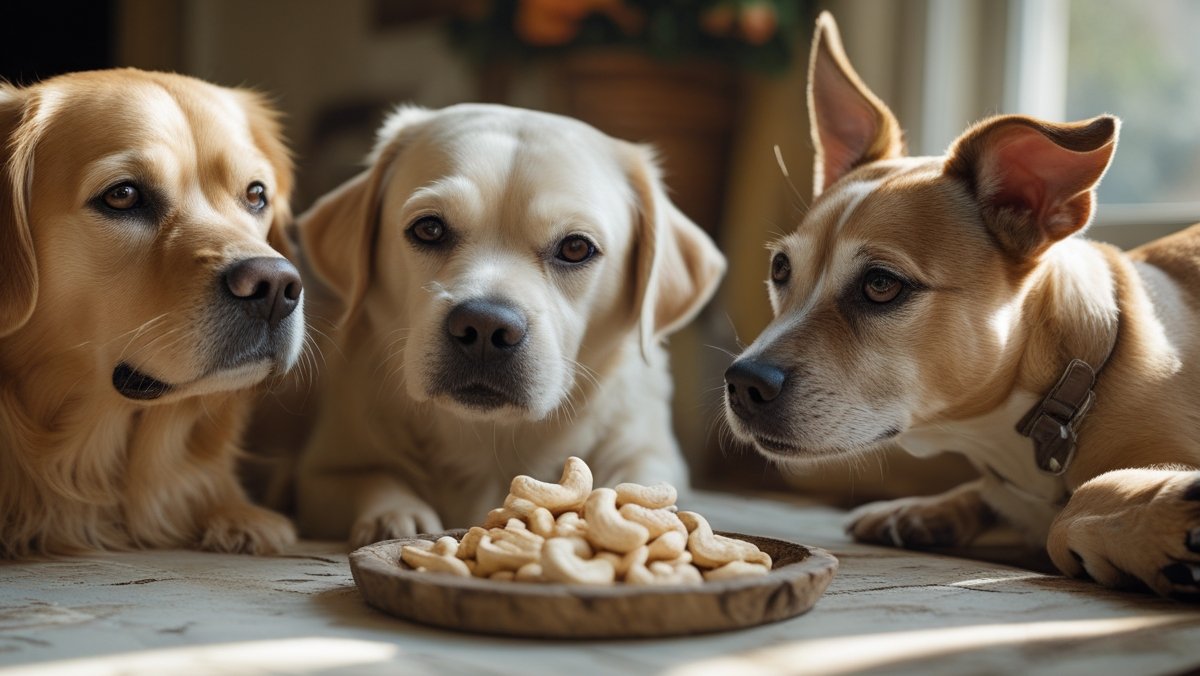
Can dogs eat cashews? MODERATE, dogs can eat cashews with caution and in strict moderation. Cashews are not toxic for dogs, but their high fat and calorie content can lead to health issues if consumed in large amounts. However, they offer some beneficial nutrients when given as an occasional treat.
🟡 Can dogs eat cashews? MODERATE
Key Points:
- Safety Status: Moderate – Cashews are not toxic, but their high fat and calorie content requires strict moderation to prevent health issues like pancreatitis or obesity.
- Best Format: Plain, unsalted, roasted cashews without shells or seasonings.
- Serving Size: Very small amounts; typically 1-2 cashews for small dogs, 2-3 for medium, and 3-4 for large dogs, infrequently.
- Frequency: Should be an occasional treat, no more than once or twice per week. Treats should not exceed 10% of a dog’s daily caloric intake.
- Main Benefit: Provide protein, healthy fats, and essential minerals like magnesium and zinc.
- Main Risk: High fat content can lead to pancreatitis, obesity, and gastrointestinal upset; choking hazard, especially for smaller dogs.
Table of Contents
- Quick Answer Summary
- Nutritional Benefits of Cashews for Dogs
- Potential Risks and Safety Concerns
- Safe Serving Methods and Portion Guidelines
- Different Formats: What’s Safe vs. Dangerous
- Signs of Adverse Reactions
- Veterinary Recommendations
- Alternative Safe Treats
- Bottom Line
- Can dogs eat cashews? FAQs
Nutritional Benefits of Cashews for Dogs
Cashews offer several health advantages when cashews become part of their occasional treat routine. These nuts contain various nutrients that can contribute to a dog’s well-being in moderation.Primary Nutritional Benefits:
- Protein: Supports muscle maintenance and growth. Dogs need protein for tissue repair and overall development.
- Healthy Fats: Provide energy and contribute to a shiny coat, with omega-6 and omega-3 fatty acids helping to regulate inflammation.
- Magnesium: Important for healthy bone formation and nerve function.
- Zinc: Supports immune system function and overall health.
- Copper: Essential for proper red blood cell formation and connective tissue development.
- Iron: Aids in oxygen transport throughout the body.
- Vitamin K: Crucial for blood clotting and building strong bones.
- Antioxidants: Help protect cells from damage caused by free radicals, supporting a healthy immune system.
- Fiber: Promotes digestive health and can help regulate blood sugar, assisting in healthy weight management by providing a feeling of fullness.
Caloric Information:
Cashews are calorie-dense. One ounce of cashews contains approximately 160 calories. A single raw cashew contains about 6-7 calories. For a 10-pound dog, which requires around 220 calories per day, one ounce of cashews would account for almost 75% of their daily needs.Due to their high caloric content, cashews should only be given as an occasional treat. Treats should never exceed 10% of a dog's daily caloric intake to prevent unhealthy weight gain and ensure a balanced diet.
Potential Risks and Safety Concerns
While cashews have a moderate answer, important considerations exist before feeding them to dogs.⚠️ Primary Concerns:
High Fat Content and Pancreatitis:
Cashews contain a high amount of fat, which is the most significant concern for dogs. Excessive or regular consumption of fatty foods can lead to pancreatitis, a painful inflammation of the pancreas. This condition can be serious and may require veterinary attention. Symptoms of pancreatitis include decreased appetite, abdominal pain, vomiting, diarrhea, and lethargy. Dogs prone to pancreatitis, hyperlipidemia, or recurrent gastroenteritis should avoid cashews.Obesity and Weight Gain:
Cashews are calorie-dense, and feeding too many can quickly contribute to weight gain and obesity. Obesity can lead to other serious health problems, such as diabetes and joint issues. Treats, including cashews, should only make up a small portion (ideally less than 10%) of a dog’s daily calories.Choking Hazard and Intestinal Obstruction:
Whole cashews, especially for smaller dogs, can pose a choking hazard. Larger dogs might swallow them whole, potentially leading to an intestinal blockage. Chopping cashews into smaller pieces can help mitigate this risk.Sodium Toxicity:
Salted cashews are harmful to dogs due to excessive sodium levels. High sodium intake can cause salt toxicity, leading to symptoms like increased thirst, urination, vomiting, diarrhea, tremors, and seizures. Dogs with heart disease should especially avoid salted varieties. Always choose unsalted cashews.Gastrointestinal Upset:
Even unsalted cashews, if given in large quantities, can cause digestive upset due to their fat and fiber content. This can manifest as stomach pain, diarrhea, or vomiting. Some dogs may be intolerant of the fat in cashews.Allergic Reactions:
Though rare, some dogs may have an allergic reaction to cashews. Symptoms can include itching, swelling, hives, and digestive issues. It’s crucial to introduce any new food slowly and monitor for adverse reactions.Anacardic Acid (in shells):
Unshelled cashews contain a toxin called anacardic acid, which can cause gastroenteritis and skin irritation. Therefore, cashews must always be shelled before offering them to your dog.Mold and Aflatoxins:
Like other nuts, cashews can be tainted with mold, which can produce aflatoxins that are harmful to dogs, potentially causing stomach upset, bowel obstruction, or even liver failure. Always inspect nuts for mold before feeding them.Safe Serving Methods and Portion Guidelines
When considering cashews for dogs, proper preparation and portioning are crucial to ensure their safety and prevent adverse health effects.Preparation Methods:
- Choose Plain, Unsalted, Roasted: Always opt for cashews that are plain, unsalted, and either raw (but remove shells, see below) or roasted. Avoid any cashews with added seasonings, oils, chocolate, or sweeteners like xylitol, all of which can be toxic or harmful to dogs.
- Remove Shells: Never feed your dog cashews with their shells, as they contain anacardic acid, which can be irritating and toxic. While some raw cashews sold in stores have already been processed to remove the toxin, it’s safer to stick to roasted if you’re unsure.
- Chop into Small Pieces: To reduce the risk of choking and aid digestion, break larger cashews into small, manageable bits, especially for smaller breeds or puppies.
- Cashew Butter: Plain, unsalted cashew butter can be a good option, free of xylitol or other harmful additives. You can offer a small dollop on a spoon or freeze it in a KONG toy for a longer-lasting treat. Homemade cashew butter is ideal to control ingredients.
Serving Size Guidelines:
Treats should comprise no more than 10% of your dog’s daily caloric intake. Given cashews are high in fat and calories, even small amounts add up quickly. It’s best to offer cashews very sparingly.| Pet Size | Serving Amount | Frequency |
|---|---|---|
| Small (under 20 lbs) | 1-2 cashews (chopped) | Once or twice per week |
| Medium (20-50 lbs) | 2-3 cashews | Once or twice per week |
| Large (over 50 lbs) | 3-4 cashews | Once or twice per week |
Different Formats: What’s Safe vs. Dangerous
Understanding cashews for dogs across different preparations is vital for their safety.✅ SAFE FORMATS:
- Plain, Unsalted, Roasted Cashews: These are the safest option, provided they are shelled and free from any added seasonings or oils. The roasting process often removes residual toxins found in raw shells.
- Plain, Unsalted Raw Cashews (shelled): While technically safe once shelled, ensuring they are truly plain and have had any natural toxins from the shell completely removed is crucial. Sticking to roasted is generally preferred for consistency.
- Homemade Cashew Butter (xylitol-free, unsalted): If made at home with only plain, unsalted cashews and no added sugars, salt, or xylitol, this can be a safe treat.
- Cashew Milk (plain, unsweetened): Cashew milk made from raw, unsalted cashews and water is generally safe in moderation, provided it contains no added sugars or other ingredients.
❌ AVOID THESE FORMATS:
- Salted Cashews: High sodium content can lead to salt toxicity, causing vomiting, diarrhea, tremors, and seizures.
- Seasoned or Flavored Cashews: Spices, garlic powder, onion powder, or other flavorings can be toxic or irritating to dogs.
- Chocolate-Covered Cashews: Chocolate is highly toxic to dogs and can cause serious illness.
- Cashews Sweetened with Xylitol: Xylitol is a sugar substitute extremely toxic to dogs, causing a rapid drop in blood sugar and liver failure.
- Unshelled Cashews: The shells contain anacardic acid, a toxin that can cause gastrointestinal upset and skin irritation. Raw cashews in their natural shells should always be avoided.
- Cashew Pieces in Trail Mixes: These often contain other toxic nuts (like macadamia nuts), chocolate, or raisins, which are all dangerous for dogs.
- Moldy Cashews: Mold can contain aflatoxins, which are highly dangerous and can cause liver damage or other severe health issues.
🟡 MODERATE CAUTION:
- Honey-Roasted Cashews: While not immediately toxic, the high sugar content is unhealthy for dogs and can contribute to obesity and dental problems. These should be avoided.
- Cashews in Commercial Baked Goods: These often contain high amounts of sugar, fats, and potentially other ingredients that are harmful or unhealthy for dogs.
Signs of Adverse Reactions
Monitor your dog carefully after introducing cashews or when “can dogs eat cashews” becomes a new treat. Even safe foods can cause issues if a dog has an unknown allergy or sensitivity.Immediate Signs (within 24 hours):
- Vomiting: Can indicate digestive upset or a reaction to the fat content.
- Diarrhea: Another common sign of gastrointestinal distress from rich foods.
- Abdominal Pain: Your dog may hunch, be reluctant to move, or show discomfort when touched around the stomach area.
- Lethargy or Weakness: A general decrease in energy or unusual tiredness.
- Decreased Appetite: Refusal to eat regular meals or other treats.
- Increased Thirst or Urination: Especially if salted cashews were consumed, indicating possible sodium toxicity.
Allergic Reaction Symptoms:
- Itching or Excessive Licking: Your dog may scratch more than usual, particularly around the face or paws.
- Redness or Hives: Skin irritation, bumps, or rashes.
- Facial Swelling: Swelling around the muzzle, eyes, or ears.
- Difficulty Breathing (Emergency Symptom): Severe allergic reactions can cause swelling in the airway. This requires immediate veterinary attention.
What to Do:
- Stop Feeding Cashews: If you notice any concerning symptoms, immediately stop giving your dog cashews.
- Monitor Your Dog: Observe their behavior and symptoms closely. Note the severity and frequency of symptoms.
- Contact Your Veterinarian: For any severe or persistent symptoms, or if you suspect an allergic reaction or pancreatitis, contact your vet immediately. They can provide guidance or recommend an emergency visit.
- Provide Fresh Water: Ensure your dog has access to plenty of fresh water, especially if they are vomiting or have diarrhea, to prevent dehydration.
Veterinary Recommendations
Professional guidance on “can dogs eat cashews” emphasizes moderation and careful consideration."Cashews are not a good treat for dogs that suffer from pancreatitis, hyperlipidemia, or recurrent gastroenteritis because they are high in fat, which can trigger these conditions. They are also not a good treat for dogs that are overweight, obese, or on a weight loss program." – Dr. Sarah J. Wooten, DVM, CVJ.
When to Consult Your Vet:
- Pre-existing Health Conditions: Always consult your veterinarian before introducing cashews if your dog has any underlying health issues, such as pancreatitis, obesity, diabetes, kidney disease, or a sensitive stomach.
- First-time Introduction: It is advisable to discuss with your vet before introducing any new human food to your dog’s diet, including cashews.
- Uncertainty about Portion Sizes: If you are unsure about the appropriate serving size for your dog’s specific breed, age, or weight, your vet can provide personalized recommendations.
- Accidental Ingestion of Harmful Cashew Forms: If your dog eats salted, seasoned, chocolate-covered, or unshelled cashews, or a large quantity, contact your vet immediately.
- Signs of Adverse Reactions: Seek veterinary attention if your dog exhibits any signs of gastrointestinal upset, allergic reaction, or other concerning symptoms after eating cashews.
Veterinary Consensus:
Veterinarians generally agree that cashews are not toxic to dogs but should be fed sparingly as an occasional treat. The primary concern is their high fat and calorie content, which can lead to obesity or pancreatitis. They are not considered a necessary or particularly beneficial part of a dog’s diet for nutritional purposes, as a balanced commercial dog food already provides all essential nutrients. Always prioritize plain, unsalted, shelled cashews and supervise your dog during consumption.Alternative Safe Treats
If cashews do not work for your dog, or if you prefer healthier options, consider these alternatives that are safe and often more beneficial.Similar Safe Nuts (in strict moderation):
- Peanuts: Technically legumes, peanuts (unsalted, unflavored) are generally safe and a good source of protein, Vitamin E, and B vitamins. Be cautious of xylitol in peanut butter.
- Roasted Chestnuts: American chestnuts (roasted, unsalted, peeled) are safe and lower in fat than many other nuts, providing fiber and vitamin C. They can be a choking hazard for small dogs.
- Pine Nuts: Safe in very small amounts and unsalted, but still high in fat and can cause stomach upset if given excessively.
Other Healthy Options:
- Carrots: A favorite crunchy treat that is low in calories and high in vitamins and fiber. They can also help clean teeth.
- Green Beans: Low in calories and rich in vitamins K, C, and manganese, making them a great snack for weight management.
- Apples (without seeds or core): Provide fiber and vitamins, but remove all seeds and the core, as apple seeds contain cyanide.
- Blueberries: Packed with antioxidants, vitamins C and K, and fiber.
- Bananas: Contain potassium and vitamins but are high in sugar, so offer in very small amounts.
- Watermelon (seedless and rindless): A hydrating treat, excellent in hot weather, but ensure all seeds and rind are removed.
- Cooked Sweet Potatoes: Rich in vitamins, fiber, and manganese. Serve plain and cooked.
Bottom Line
Can dogs eat cashews? **MODERATE**, dogs can eat plain, unsalted cashews in very small quantities and as an occasional treat. They are not toxic, but the high fat and calorie content present significant health risks if consumed excessively. Always ensure cashews are shelled, unsalted, and unseasoned.Key Takeaways:
- ✅ Cashews are non-toxic to dogs.
- ✅ Always feed plain, unsalted, and shelled cashews.
- ✅ Offer cashews in very small portions due to high fat and calorie content.
- ✅ Excessive consumption can lead to serious issues like pancreatitis and obesity.
- ✅ Monitor your dog for choking hazards or signs of allergic reactions.
Can dogs eat cashews? FAQs
How many cashews can a dog eat?
A dog can eat a very limited number of cashews, depending on their size. Small dogs (under 20 lbs) should have no more than 1-2 cashews, medium dogs (20-50 lbs) 2-3 cashews, and large dogs (over 50 lbs) 3-4 cashews, and only as an occasional treat once or twice a week.
What are the most toxic nuts for dogs?
Macadamia nuts are highly toxic to dogs, causing weakness, vomiting, tremors, and hyperthermia. Black walnuts also contain a toxin called juglone, which can cause gastrointestinal upset and neurological issues, and they are prone to toxic molds.
What nuts can dogs eat?
Dogs can safely eat a few types of nuts in moderation, provided they are plain, unsalted, and shelled. These include peanuts (technically legumes), roasted chestnuts, and pine nuts. However, due to high fat content, nuts should always be given sparingly as occasional treats.
What to do if a dog eats cashews?
If your dog eats a few plain, unsalted cashews, they will likely be fine, but you should monitor them for any signs of digestive upset or allergic reactions. If they consume a large amount, or if the cashews were salted, seasoned, or mixed with other toxic ingredients, contact your veterinarian immediately.