

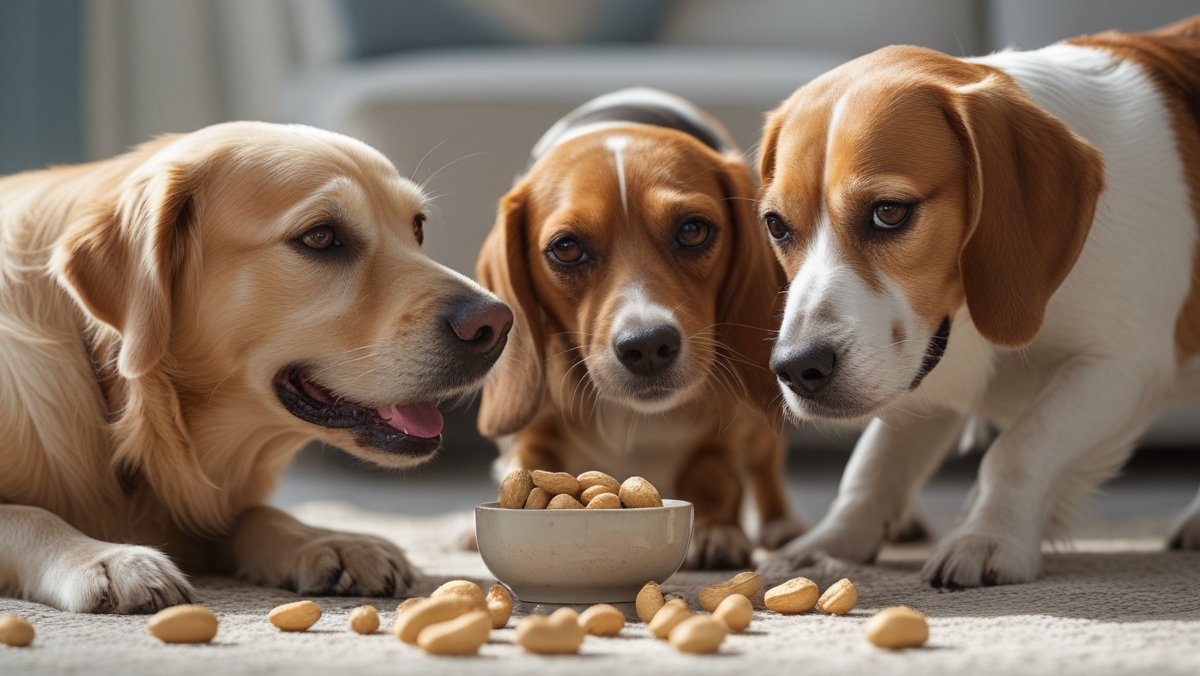
Can dogs eat peanuts? MODERATE, dogs can eat peanuts with caution and proper preparation. Peanuts are not toxic for dogs because they do not contain harmful compounds found in other nuts. However, unsalted, unflavored, and shelled peanuts are essential to prevent health risks.
🟡 Can dogs eat peanuts? MODERATE
Key Points:
- Safety Status: Moderate – Peanuts themselves are not toxic, but preparations with salt, sugar, or xylitol are dangerous. Shells also pose a risk.
- Best Format: Raw, unsalted, shelled, and plain dry-roasted peanuts.
- Serving Size: 4-5 peanuts for medium to large dogs, 1-2 for small dogs, only as an occasional treat.
- Frequency: A couple of times per week, not daily.
- Main Benefit: Source of protein, healthy fats, vitamins (E, B6), and minerals.
- Main Risk: Choking hazard, high fat content leading to pancreatitis or obesity, sodium toxicity, and xylitol poisoning from peanut butter.
Table of Contents
- Quick Answer Summary
- Nutritional Benefits of Peanuts for Dogs
- Potential Risks and Safety Concerns
- Safe Serving Methods and Portion Guidelines
- Different Formats: What’s Safe vs Dangerous
- Signs of Adverse Reactions
- Veterinary Recommendations
- Alternative Safe Treats
- Bottom Line
- Can dogs eat peanuts? FAQs
Nutritional Benefits of Peanuts for Dogs
Peanuts offer several health advantages when introduced into a dog’s occasional treat routine. These legumes are packed with various nutrients that can support a dog’s overall well-being when given in appropriate amounts.Primary Nutritional Benefits:
- Protein: Peanuts are a good source of plant-based protein, essential for building and repairing cells, supporting muscle development, and maintaining a healthy immune system.
- Healthy Fats: They contain beneficial monounsaturated and polyunsaturated fats, including omega-6 and oleic acids, which can be an energy source and support heart health.
- Vitamin E: This powerful antioxidant helps protect cells from damage and supports skin and coat health.
- Vitamin B6 (Niacin): Peanuts provide B vitamins like niacin and B6, crucial for metabolism, nerve function, and red blood cell formation.
- Magnesium: Important for muscle and nerve function, blood sugar control, and bone health.
- Phosphorus: This mineral plays a vital role in bone and teeth health, as well as energy metabolism.
- Fiber: Peanuts contain dietary fiber, which aids digestion and promotes regular bowel movements.
- Potassium: Critical for maintaining proper fluid balance, nerve signals, and muscle contractions, including those of the heart.
- Antioxidants: Beyond Vitamin E, peanuts also contain other bioactive compounds like resveratrol and Co-enzyme Q10, which contribute to cellular health.
Caloric Information:
Peanuts are calorie-dense. A 100-gram portion of unroasted peanuts contains approximately 567 calories. This high caloric content means portion control is essential. Weight management notes: Due to their high fat and calorie content, overfeeding peanuts can lead to weight gain and obesity in dogs. Obesity can predispose dogs to other health problems like pancreatitis. Peanuts should always be a small, occasional treat and not a significant part of a dog’s daily diet.Potential Risks and Safety Concerns
While peanuts are not inherently toxic to dogs, several important considerations and potential risks exist when feeding them to your pet. Understanding these concerns is crucial to ensure their safety.⚠️ Primary Concerns:
Choking Hazard:
Whole peanuts, especially those still in their shells, can pose a significant choking risk, particularly for smaller dog breeds. Dogs may gulp their food without proper chewing, leading to a peanut getting lodged in their throat or causing an intestinal blockage. Always remove shells before offering peanuts to your dog. Crushing peanuts can further reduce this risk.High Fat Content:
Peanuts are naturally high in fat. While healthy fats are beneficial in moderation, excessive consumption can lead to gastrointestinal upset, including vomiting and diarrhea. More seriously, a high-fat diet can trigger pancreatitis, a painful inflammation of the pancreas that can be severe and even life-threatening. Dogs prone to digestive issues or those with pre-existing conditions should avoid high-fat treats.Sodium Overload:
Many commercially available peanuts are heavily salted. High levels of sodium can be detrimental to a dog’s health, potentially leading to salt toxicosis. Symptoms can include increased thirst, frequent urination, vomiting, diarrhea, lethargy, tremors, and in severe cases, seizures or kidney problems. Always opt for unsalted peanuts or peanut butter.Xylitol Toxicity:
This is a critical concern, especially with peanut butter. Xylitol is an artificial sweetener highly toxic to dogs, causing a rapid and severe drop in blood sugar (hypoglycemia) and potentially liver damage. Even small amounts can be fatal. Always check ingredient labels carefully and avoid any peanut butter products containing xylitol (also listed as birch sugar, wood sugar, or sugar alcohol).Aflatoxin Contamination:
Peanuts can sometimes be contaminated with aflatoxins, poisonous substances produced by a mold called *Aspergillus flavus* that thrives in warm, humid conditions. Ingesting aflatoxins can cause liver damage, liver failure, and problems with blood clotting in dogs. While human-grade peanuts are regulated to minimize this risk, choosing dry-roasted peanuts can further reduce the potential for aflatoxin exposure.Allergic Reactions:
Though rare, dogs can develop allergies to peanuts, similar to humans. Symptoms can range from mild skin irritation, itching, and digestive upset (vomiting, diarrhea) to more severe reactions like swelling of the face or throat, difficulty breathing, and in very rare cases, anaphylaxis. Introduce peanuts slowly and monitor your dog for any adverse signs.Safe Serving Methods and Portion Guidelines
Proper preparation and portioning are crucial when considering “can dogs eat peanuts.” Following these guidelines helps ensure your dog enjoys peanuts safely and avoids potential health issues.Preparation Methods:
- Raw and Shelled: Offer plain, raw peanuts after removing the fibrous shell. The shell is not digestible and can cause choking or intestinal blockages.
- Dry-Roasted and Unsalted: Dry-roasted peanuts without any added salt or seasonings are a safer choice. Roasting can help reduce the risk of aflatoxin mold.
- Boiled and Plain: Boiled peanuts are acceptable if they are unsalted, unflavored, and removed from their shells. Avoid commercially boiled peanuts that are often heavily salted or seasoned.
- Crushed: For smaller dogs or to further minimize choking hazards, crush whole, shelled peanuts into smaller pieces.
- Xylitol-Free Peanut Butter: If using peanut butter, ensure it is natural, unsweetened, unsalted, and, most importantly, free of xylitol. Homemade peanut butter with just peanuts is ideal (AKC article on peanut butter safety).
Serving Size Guidelines:
Moderation is key when giving peanuts to dogs. Treats, including peanuts, should never exceed 10% of a dog’s daily caloric intake. Introducing new foods slowly is also important to observe for any allergic reactions or digestive upset.| Pet Size | Serving Amount | Frequency |
|---|---|---|
| Small (under 20 lbs) | 1-2 shelled, unsalted peanuts | 1-2 times per week |
| Medium (20-50 lbs) | 2-3 shelled, unsalted peanuts | 2-3 times per week |
| Large (over 50 lbs) | 4-5 shelled, unsalted peanuts | 2-3 times per week |
Always adjust based on your dog's individual size, activity level, and overall diet. Consult your veterinarian for precise recommendations.
Different Formats: What’s Safe vs Dangerous
Understanding “can dogs eat peanuts” across various preparations is vital. The way peanuts are processed or prepared significantly impacts their safety for canine consumption.✅ SAFE FORMATS:
- Raw Peanuts (shelled, unsalted): These are generally considered the safest form, provided the fibrous outer shell is removed. Raw peanuts offer full nutritional benefits without additives.
- Dry-Roasted Peanuts (shelled, unsalted): Plain, dry-roasted peanuts are a good option. The roasting process can reduce the risk of aflatoxin contamination. Ensure no oils, salts, or seasonings are added.
- Boiled Peanuts (shelled, unsalted): If boiled without salt or other flavorings, and the shells are removed, these can be a safe treat.
❌ AVOID THESE FORMATS:
- Salted Peanuts: The high sodium content can lead to salt toxicosis, causing symptoms like excessive thirst, vomiting, and in severe cases, seizures.
- Flavored or Seasoned Peanuts (e.g., honey-roasted, spiced, candied): These often contain ingredients like sugar, excess salt, onion, or garlic, which can be harmful or toxic to dogs.
- Peanuts in Shells: The tough, fibrous shells are indigestible and pose a severe choking hazard or can cause intestinal blockages, especially for small dogs.
- Peanut Butter with Xylitol: Xylitol is an artificial sweetener that is extremely toxic to dogs, even in small amounts, and can cause life-threatening hypoglycemia and liver damage. Always check labels for “xylitol,” “birch sugar,” or “sugar alcohol.”
- Chocolate-Coated Peanuts: Chocolate contains theobromine, which is toxic to dogs and can cause vomiting, diarrhea, tremors, and cardiac issues (ASPCA Chocolate Toxicity).
🟡 MODERATE CAUTION:
- Plain Peanut Butter (xylitol-free, unsalted, unsweetened): While safe, it is still high in fat and calories. It should be given sparingly and in small amounts to prevent weight gain or pancreatitis. Always ensure no xylitol is present.
- Homemade Peanut Butter (xylitol-free, unsalted, unsweetened): This option allows complete control over ingredients, making it a safer alternative to many commercial brands. However, its high-fat content still requires moderation.
Signs of Adverse Reactions
Monitor your dog carefully after introducing peanuts or when “can dogs eat peanuts” becomes a new treat. Even safe foods can sometimes cause unexpected reactions.Immediate Signs (within 24 hours):
- Vomiting: Can indicate an upset stomach or a more severe reaction.
- Diarrhea: Another common sign of digestive distress or food intolerance.
- Lethargy: Unusual tiredness or lack of energy can be a symptom of discomfort or illness.
- Loss of Appetite: Refusal to eat other food, indicating nausea or general malaise.
- Abdominal Pain/Discomfort: Signs like a hunched back, restlessness, or sensitivity when touched around the abdomen.
Allergic Reaction Symptoms:
While rare, peanut allergies in dogs can occur.- Itchy Skin/Redness/Hives: Excessive scratching, licking, or visible skin rashes or bumps, especially around the face, ears, or paws.
- Swelling: Swelling of the face, lips, tongue, or throat can restrict breathing and is a serious concern.
- Respiratory Distress: Coughing, wheezing, sneezing, or difficulty breathing are urgent symptoms.
- Anaphylaxis: In severe, rare cases, a dog can experience anaphylactic shock, a life-threatening allergic reaction requiring immediate emergency veterinary care.
What to Do:
- Stop Feeding Immediately: If you observe any adverse reactions, stop giving your dog peanuts or peanut butter.
- Monitor Symptoms: Carefully observe your dog for any changes or worsening of symptoms.
- Contact Your Veterinarian: For any concerning or persistent symptoms, contact your veterinarian immediately. Describe what your dog ate and the symptoms observed.
- Emergency Care: If your dog shows signs of severe allergic reaction, such as swelling, difficulty breathing, or collapse, seek emergency veterinary care without delay.
Veterinary Recommendations
Professional guidance on “can dogs eat peanuts” emphasizes moderation and careful preparation. Veterinarians generally agree that plain, unsalted, and shelled peanuts can be an occasional treat for most dogs, but significant precautions are necessary."Peanuts are not considered toxic to dogs, and in moderation, unsalted peanuts can be a great source of protein, healthy fats, vitamin E, vitamin B-6, and other minerals that contribute to skin, immune system, and organ health.". However, a key caveat from many veterinary sources highlights that "salted nuts, flavored nuts, peanut butter with artificial sweeteners, and peanut shells are all potentially harmful to your pooch". The high-fat content is also a common concern, with vets warning that "too much fat in your dog's diet can cause an upset stomach and other digestive problems" and potentially lead to pancreatitis.
When to Consult Your Vet:
- Introducing New Foods: Always consult your veterinarian before introducing any new human foods, especially if your dog has existing health conditions or dietary sensitivities.
- Pre-existing Conditions: Dogs with a history of pancreatitis, obesity, or sensitive digestive systems should likely avoid peanuts due to their high-fat content.
- Suspected Xylitol Ingestion: If you suspect your dog has ingested peanut butter containing xylitol, contact your vet immediately. This is an emergency.
- Allergic Reaction Signs: If your dog displays symptoms like vomiting, diarrhea, itching, swelling, or difficulty breathing after eating peanuts, seek veterinary attention promptly.
- Concern about Aflatoxins: If you are concerned about potential aflatoxin exposure from raw or improperly stored peanuts, discuss this risk with your vet.
Veterinary Consensus:
The general veterinary consensus is that unsalted, shelled, plain raw or dry-roasted peanuts can be given to dogs as an infrequent treat. The primary concerns are the high fat leading to pancreatitis, choking hazards from shells or whole nuts, and the extreme toxicity of xylitol found in some peanut butters (PetMD on peanuts for dogs). Portion control is critical, with treats comprising no more than 10% of a dog’s daily calories. When in doubt, it is always safest to consult with your veterinarian.Alternative Safe Treats
If “can dogs eat peanuts” doesn’t work for your pet due to allergies, sensitivities, or just a preference for other flavors, many other healthy and safe alternatives exist. These options can provide nutritional benefits and enjoyable treats without the risks associated with peanuts.Similar Safe Food Category:
While peanuts are legumes, not tree nuts, many dog-safe fruits and vegetables can offer a similar satisfying crunch or texture.- Carrots (AKC article on carrots): A crunchy, low-calorie option rich in Vitamin A, good for dental health and vision.
- Green Beans: A low-calorie source of vitamins and fiber, great for weight management.
- Apples (sliced, no seeds/core): Provide fiber and vitamins, but remember to remove the core and seeds which contain cyanide.
- Blueberries: Packed with antioxidants and vitamins, these small fruits make excellent training treats.
Other Healthy Options:
There is a wide array of other nutritious human foods that dogs can safely enjoy in moderation.- Cooked Pumpkin (plain): Excellent for digestive health due to its high fiber content. Ensure it’s plain, not pumpkin pie filling.
- Sweet Potatoes (cooked, plain): A good source of vitamins, fiber, and complex carbohydrates. Always serve cooked and unseasoned.
- Plain, Cooked Chicken or Turkey: Lean protein sources, great for training or a special treat. Ensure no bones, skin, or seasonings are present.
- Bananas: High in potassium and vitamins, but also sugar, so offer in moderation.
- Cooked Eggs: A good source of protein and essential nutrients, serve plain and cooked.
Bottom Line
Can dogs eat peanuts? **MODERATE**. Dogs can eat unsalted, shelled, plain raw, or dry-roasted peanuts in moderation. Peanuts are not toxic to dogs, offering beneficial nutrients like protein, healthy fats, and vitamins. However, critical precautions must be followed to avoid significant health risks.Key Takeaways:
- ✅ Always remove the shells from peanuts as they are a choking hazard and indigestible.
- ✅ Only offer unsalted, unflavored peanuts to prevent sodium toxicosis and exposure to harmful additives.
- ✅ Avoid all peanut butter containing xylitol, an artificial sweetener that is highly toxic and potentially fatal to dogs.
- ✅ Peanuts are high in fat; too many can lead to digestive upset, weight gain, or painful pancreatitis.
- ✅ Serve peanuts as an occasional treat, limiting the quantity to a few per serving, a couple of times a week, ensuring they make up no more than 10% of your dog’s daily calories.
Can dogs eat peanuts? FAQs
Are peanuts toxic to dogs?
No, peanuts are not considered toxic to dogs, but they must be unsalted, unflavored, and shelled to avoid health risks like choking, salt toxicity, or high fat leading to pancreatitis. The peanut itself does not contain harmful chemicals found in other nuts.
Why can dogs eat peanut butter but not peanuts?
Dogs *can* eat plain, shelled, unsalted peanuts. The caution with peanut butter is primarily due to added sugar, salt, and critically, xylitol, which is highly toxic to dogs and found in some brands. Always check labels for xylitol, which is extremely dangerous.
What are the most toxic nuts for dogs?
Macadamia nuts are highly toxic to dogs, causing weakness, tremors, and vomiting. Other nuts to avoid due to high fat, choking hazards, or potential for harmful molds include black walnuts, pecans, almonds, pistachios, and hickory nuts.
How many peanuts are too many for a dog?
Peanuts should be an occasional treat, making up no more than 10% of a dog’s daily caloric intake. Generally, 4-5 unsalted, shelled peanuts a couple of times a week is a safe guideline for moderation, depending on the dog’s size.